
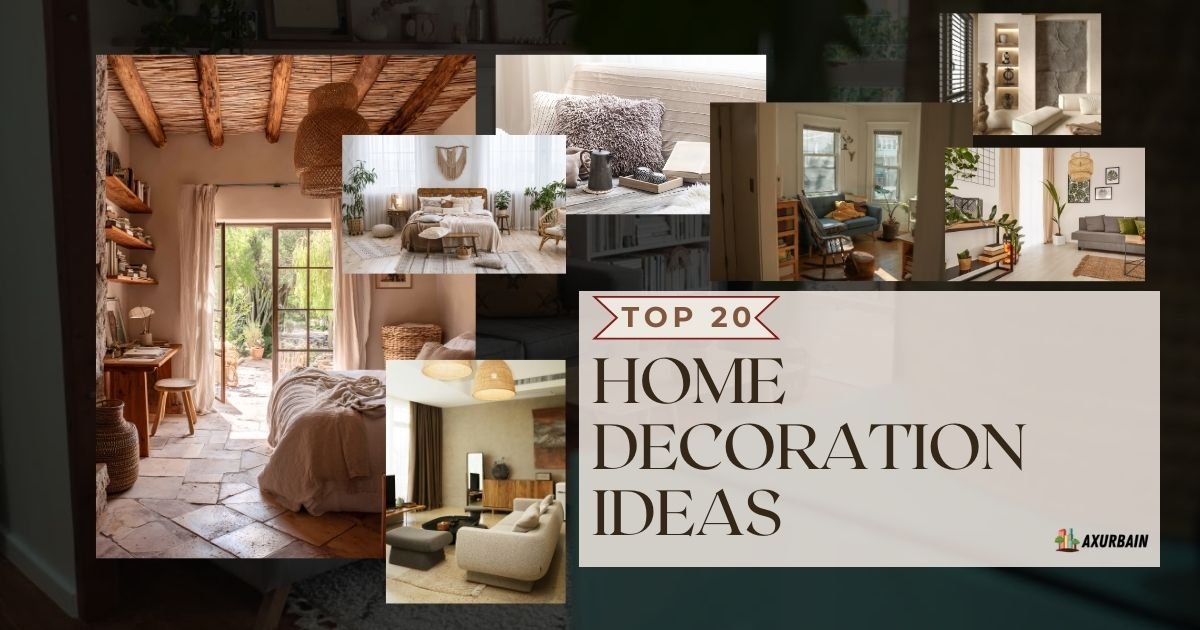
When you think about home decor, it is easy to get caught up in trends. New colors. New styles. New looks that seem to change every year. But when it comes to your own home, comfort usually matters more than what is popular at the moment.
Home decor has a quiet but powerful effect on daily life. The way a room is arranged, the light you live with, and the small details around you all influence how relaxed or stressed you feel. A comfortable home supports your mood.
This article is not about creating a perfect, magazine-style home. It is about real homes and real living. The ideas shared here are practical and easy to apply. They are meant to work in everyday spaces, not just in photos.
Before we begin, let me briefly introduce myself. I’m Damiano Cerrone, an urban researcher who works closely with real living spaces. Everything shared here comes from long-term, hands-on experience rather than theory.
Let’s start with the heart of the home and explore living room decor ideas that help any space feel more welcoming.
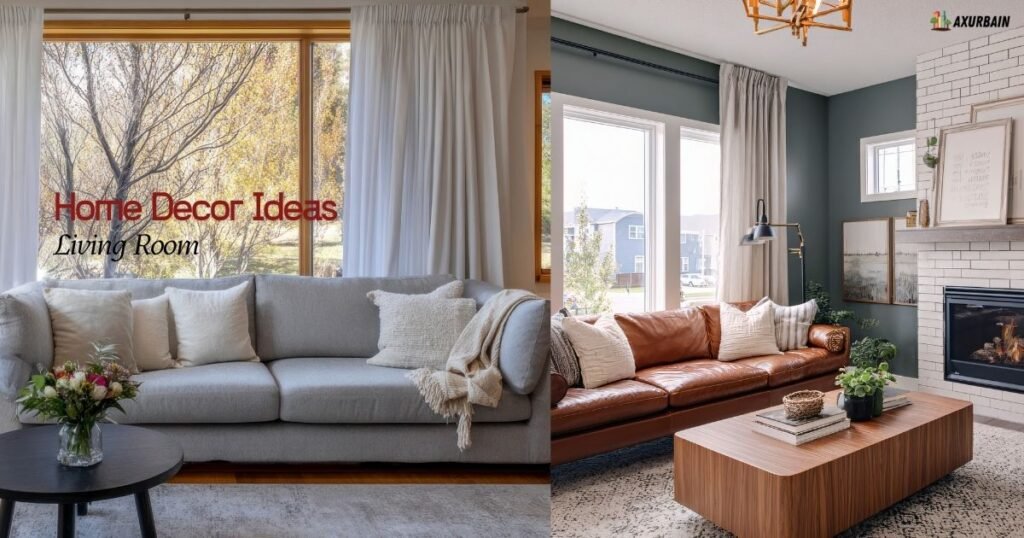
Home Decor Ideas Living Room
Idea 1: Layering Textures for a Cozy Living Room
A living room can look complete but still feel a bit cold. This often happens when everything feels flat or too similar. Texture is what adds warmth and comfort without changing the layout or buying new furniture.
Layering textures helps the room feel softer and more welcoming. You can start with small changes that are easy to apply and easy to imagine.
- Cushions: Cushions are one of the simplest ways to add texture. Mixing a few soft fabrics like cotton or knit covers on a sofa makes the seating feel relaxed and comfortable.
- Throws: A throw placed over the sofa arm or a chair adds warmth and makes the room feel lived in. It also invites you to sit and unwind.
- Rugs: Rugs help ground the space and make it feel warmer, especially on hard floors. Even a neutral rug can change the mood if it has a soft or woven texture.
- Curtains: Light fabric curtains soften windows and help the room feel calm and complete. They add another layer without making the space heavy.
The goal is not to add many things. A few soft layers mixed with simple furniture can completely change how a living room feels. Comfort comes from balance, not excess.
Idea 2: Rearranging Furniture for Better Flow
The way furniture is placed has a big impact on how comfortable a living room feels. Even with good furniture, a poor layout can make the space feel tight or awkward. A good layout supports movement and makes the room easier to use every day.
You do not need to follow design rules to improve flow. Small adjustments often work better than big changes.
- Create clear walking paths: Make sure there is enough space to move around furniture without squeezing through. Clear paths help the room feel open and less stressful to use.
- Avoid blocking entrances and windows: Furniture placed in front of doors or windows can make a room feel closed off. Keeping these areas open allows light and movement to flow naturally.
- Bring seating closer together: Chairs and sofas placed too far apart can feel stiff and uninviting. Moving them slightly closer helps create a relaxed and social setting.
- Angle furniture when needed: Not everything has to sit flat against the wall. Angling a chair or small table can make the space feel more natural and comfortable.
The most important thing is how the room is actually used. A layout that works for daily life will always feel better than one that only looks good on paper.
According to Psychology Today:
How does rearranging the furniture relate to creativity and mood elevation?
An impact on the environment, whether an imprint or a removal, lifts mood, provides concrete satisfaction, and instills a sense of effectiveness. Explore full post here.
Idea 3: Using Lighting to Change the Mood
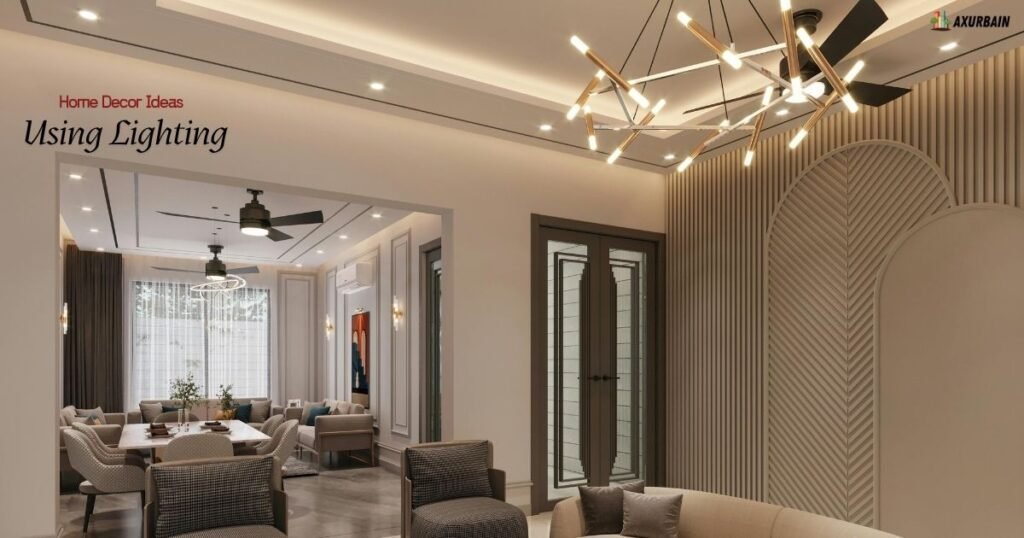
Lighting plays a bigger role in comfort than many people realize. A living room can feel unwelcoming simply because the light is too harsh. The right lighting helps a space feel calm, warm, and easy to relax in.
There is a clear difference between harsh light and soft light. Bright white light can feel useful during the day, but in the evening it often feels cold and tiring. Soft light creates a more relaxed atmosphere and makes the room feel comfortable.
- Choose lamps over strong ceiling lights: Ceiling lights can be useful, but they often spread light evenly and harshly. Table lamps and floor lamps create softer light and help the room feel more inviting.
- Use warm light for a relaxed feeling: Warm light tones make a living room feel cozy and calm. They are easier on the eyes and help the body slow down after a long day.
- Spread light around the room: Using more than one light source helps avoid dark corners and strong shadows. This creates balance and makes the room feel more welcoming.
- Make small changes for evenings: Switching bulbs, adding a lamp, or lowering light levels can completely change how the room feels at night.
Good lighting does not need to be complicated. A few thoughtful changes can make evenings more comfortable and relaxing.
Decoration also depend upon your home style. Firstly, explore the difference of Planned Urban Development vs Condo. It will help you to understand better prefernces for yur home.
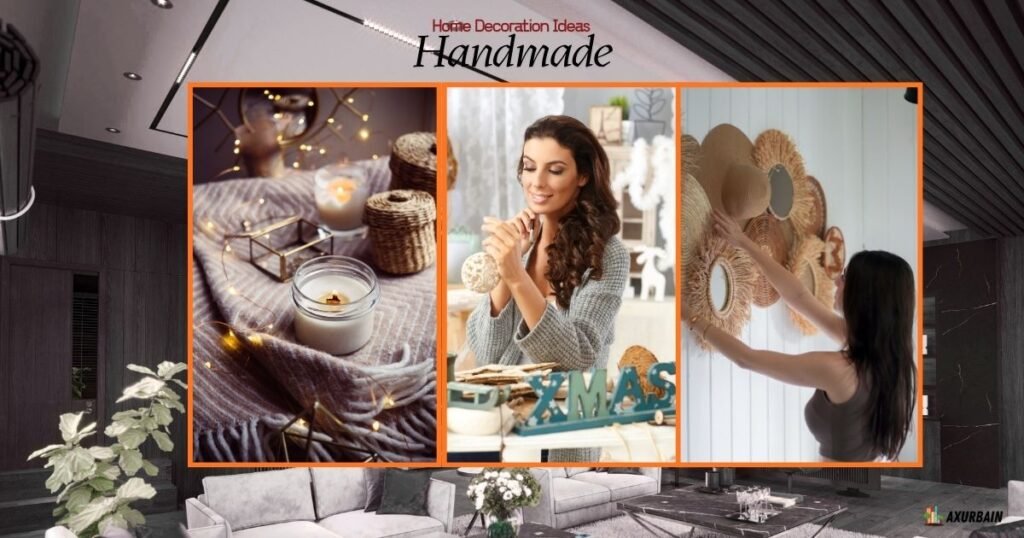
Home Decoration Ideas Handmade
Idea 4: Handmade Wall Art with Personal Meaning
A home starts to feel special when it reflects the people living in it. This is why handmade wall art often feels more meaningful than store-bought decor. It carries a personal touch that cannot be copied or mass-produced.
Handmade items tell a story. They remind you of a moment, a place, or a person. Even simple pieces can have a strong emotional impact and make a space feel warm and personal.
- Framed prints or sketches: A simple drawing, sketch, or print can become a focal point when framed and displayed with care. It does not need to be perfect to feel special.
- Fabric or textile art: Small fabric pieces, embroidery, or woven art add softness to walls and bring texture into the room.
- Personal photos displayed creatively: Photos printed in simple frames or arranged in a small group help turn blank walls into meaningful spaces.
These kinds of touches make a home feel lived in rather than styled. When walls reflect personal experiences and creativity, the space feels more comfortable and real.
Idea 5: DIY Decorative Items Using What You Already Have
Decor does not always need to be new or expensive. In many homes, there are already items that can be turned into beautiful decor. Using what you already have adds character and keeps things simple.
Everyday objects often work well because they feel familiar and practical. With a little creativity, they can become part of your home’s style.
- Jars and containers: Glass jars can be used for candles, small plants, or storage. They look simple and fit into almost any space.
- Baskets: Baskets are both useful and decorative. They can hold blankets, magazines, or everyday items while adding warmth to the room.
- Old trays or boxes: Trays help group small items together, making shelves and tables look tidy. Boxes can be used for storage or display, especially if they have an interesting shape or texture.
The goal is not to create perfect decor. DIY pieces work best when they feel natural and personal. Get latest DIY decor ideas below:
Small imperfections often add charm and make your home feel more relaxed and real.
Idea 6: Handmade Decor as a Way to Add Warmth
Handmade decor has a special way of making a space feel warmer and more personal. Unlike mass-produced items, handmade pieces bring a human touch into the home. They soften the look of a room and make it feel more welcoming.
These items often carry emotional value. They may be made by you, given by someone you care about, or collected over time. That meaning adds depth that store-bought decor often cannot.
- Handmade items soften hard spaces: In rooms with simple furniture or clean lines, handmade decor adds warmth and balance.
- Emotional value matters more than price: A small handmade piece often feels more special than an expensive decorative item. It connects the space to personal memories.
- Small pieces still make an impact: Even a small handmade object on a shelf or table can stand out. It draws attention because it feels unique and thoughtful.
When a home includes handmade decor, it feels less staged and more lived in. These small touches quietly add comfort and character to everyday spaces.
Home Decor Ideas for Small Homes
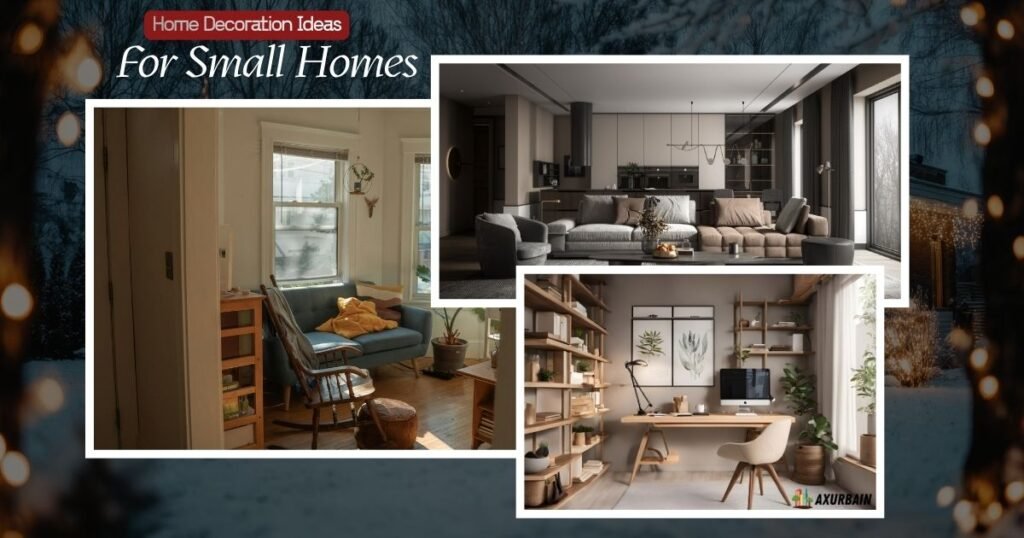
Idea 7: Using Mirrors to Open Up Small Spaces
Small spaces can sometimes feel closed or dark, even when they are well arranged. Mirrors help solve this by reflecting light and making rooms feel more open. When used thoughtfully, they can change how a space feels without adding clutter.
Mirrors work best when they are placed with purpose. A well-positioned mirror can brighten a room and give the feeling of extra space.
- Reflect natural light: Placing a mirror near a window helps bounce light around the room. This makes the space feel brighter and more comfortable.
- Use mirrors to extend sightlines: A mirror placed across from an open area can make a room feel deeper and more spacious.
- Choose simple designs: Large or overly decorative mirrors can overwhelm a small space. Simple shapes and clean frames work best.
- Avoid using too many mirrors: One or two well-placed mirrors are usually enough. Too many can make the space feel busy instead of open.
Keeping mirror use simple helps small homes feel calm, light, and easy to live in.
Idea 8: Multi-Purpose Decor That Saves Space
In small homes, every item needs to earn its place. Multi-purpose decor helps save space while keeping the home comfortable and functional. These pieces work harder without making the room feel crowded.
Furniture and decor that serve more than one purpose are especially useful in everyday living. They help keep spaces organized and easy to use.
- Storage ottomans: These can be used as seating, footrests, or small tables while also hiding blankets, books, or other items inside.
- Wall shelves: Shelves free up floor space and provide storage or display areas. They help keep essentials within reach without adding clutter.
- Decor that includes storage: Items like baskets, benches with compartments, or side tables with drawers help keep small things out of sight.
The key is choosing pieces that feel simple and useful. When storage is built into decor, clutter stays under control and small spaces feel calmer and more open.
Idea 9: Keeping Small Homes Light and Uncluttered
In small homes, comfort often comes from having less, not more. Too many items can make a space feel tight and overwhelming, even if each item looks nice on its own. A lighter, more open setup usually feels easier to live with.
Keeping things uncluttered does not mean removing personality. It means being more thoughtful about what you choose to keep on display.
- Fewer items create visual calm: When surfaces are not overcrowded, the room feels more open and relaxing.
- Choose decor with purpose: Select pieces that you truly like or use often. Decor that has meaning or function tends to feel more satisfying.
- Leave space to breathe: Empty space is not wasted space. It helps the room feel balanced and comfortable.
The goal is not perfection. A small home feels best when it is simple, easy to move around, and free from unnecessary clutter.
Simple Home Decor Ideas
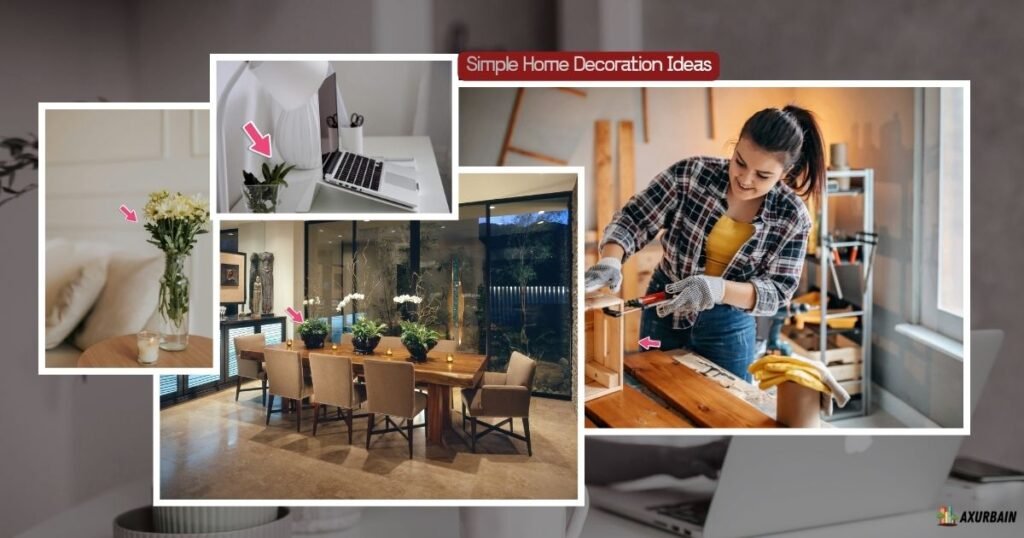
Idea 10: Changing Cushion Covers and Throws
Sometimes a room just needs a small update to feel fresh again. Changing cushion covers and throws is one of the quickest and most affordable ways to refresh a space. You can make a noticeable difference without moving furniture or buying anything new.
This idea works well because it is flexible. You can change things as often or as little as you like.
- An easy seasonal update: Lighter fabrics and brighter colors work well in warmer months. Softer and thicker materials feel more comforting during cooler seasons.
- Color changes the mood: Soft, neutral colors create a calm feeling. Warmer tones add coziness. Even small color changes can shift the atmosphere of a room.
- Fabric affects comfort: Natural and soft fabrics feel better to use every day. They also make seating feel more inviting.
Because these items are easy to swap, they allow you to experiment. Small changes like this can keep a room feeling comfortable and up to date without much effort.
Idea 11: Adding Plants for a Natural Feel
Plants have a simple way of making a home feel more alive. Even one plant can change the mood of a room. Greenery adds freshness and brings a natural balance into indoor spaces.
Plants soften hard edges and help rooms feel more relaxed. They work well in almost any area, from living rooms to bedrooms.
- Plants make spaces feel lively: Green leaves add movement and color, which helps a room feel less static and more welcoming.
- Easy plant options: Low-maintenance plants like snake plants, pothos, or peace lilies are good choices. They do not need constant care and still look great.
- Benefits beyond appearance: Plants can help improve air quality and create a calming atmosphere. They also help reduce stress and make spaces feel more comfortable.
You do not need many plants to see a difference. A few well-placed plants can bring warmth and a sense of calm into your home.
Idea 12: Using Scent to Improve Comfort
Comfort at home is not only about what you see. Scent plays a quiet but powerful role in how a space feels. The right smell can make a room feel warm, calm, and welcoming almost instantly.
Using scent does not mean filling the room with strong fragrances. A subtle approach works best.
- Candles and diffusers: Lightly scented candles or simple diffusers can add a soft background scent. Choose calming options rather than strong or sweet smells.
- Natural scents: Fresh flowers, dried herbs, or citrus peels can bring a natural and clean smell into the home without feeling artificial.
- Smell affects mood: Certain scents help the body relax and feel at ease. A gentle scent can make evenings feel slower and more comfortable.
- Keep it light and subtle: Too much fragrance can feel overwhelming. A small amount is enough to improve comfort.
When scent is used gently, it adds another layer of comfort that people notice without always realizing why.
Home Decoration Items
Idea 13: Choosing Decor Items That Feel Personal
Decor feels more meaningful when it reflects the people living in the space. Items with personal value often matter more than how much they cost. They add character and make a home feel genuine.
Personal decor tells a story. It reminds you of places you have been, people you care about, or moments that matter to you.
- Meaning over price: A small item with emotional value often feels more special than an expensive decorative piece with no connection.
- Display memories thoughtfully: Travel items, favorite books, or keepsakes can be placed on shelves or tables to add personality without clutter.
- Avoid over-decorating: Too many personal items can feel overwhelming. Choosing a few meaningful pieces helps them stand out more.
When decor reflects real experiences, a home feels warmer, more comfortable, and truly personal.
Idea 14: Mixing Old and New Decor Items
A home feels most comfortable when it has a mix of old and new. Combining modern pieces with familiar items creates balance and warmth. It keeps the space from feeling too perfect or overly styled.
New decor often brings clean lines and freshness. Older items bring history and character. Together, they create a space that feels natural and welcoming.
- Balance modern and familiar pieces: Pair newer furniture with older decor items like a vintage lamp, an old frame, or a well-loved chair.
- Older items add warmth: Worn textures and signs of use make a space feel softer and more personal.
- Avoid a staged look: When everything looks brand new, a room can feel impersonal. Mixing in older pieces helps the home feel lived-in and real.
This blend of old and new creates comfort because it reflects real life, not a showroom display.
Home Decor Ideas Pinterest
Idea 15: Using Pinterest for Inspiration, Not Copying
Pinterest can be a great source of home decor ideas, but it can also feel overwhelming. The key is to use it for inspiration, not as a rulebook. Not every image is meant to be copied exactly.
Many photos on Pinterest show ideal spaces with perfect lighting and styling. Real homes work differently, and that is completely fine.
- Browse with a clear goal: Look for ideas that match your space or problem, not everything at once. This helps avoid feeling overloaded.
- Adapt ideas to your home: Take small elements you like, such as colors or layouts, and adjust them to fit your room size and lifestyle.
- Avoid unrealistic expectations: Remember that many images are staged. Focus on comfort and practicality rather than trying to recreate a perfect photo.
Pinterest works best when it helps you discover what you like, not when it pressures you to copy everything you see.
Idea 16: Creating a Cohesive Look from Mixed Ideas
It is common to like many different decor ideas at once. The challenge is bringing them together in a way that feels calm and balanced. A cohesive look helps a home feel comfortable rather than scattered.
You do not need to follow one strict style. The goal is to connect ideas in a way that feels natural.
- Combine ideas slowly: Instead of using many inspirations at once, choose a few that work well together. This helps the space feel more organized.
- Keep colors consistent: Using a small group of colors throughout the room helps tie everything together, even if the decor pieces are different.
- Match the overall mood: Think about how you want the space to feel. Calm, warm, or relaxed. Choose items that support that feeling.
- Adapt Pinterest ideas to real life: What works in a photo may need adjusting at home. Scale, lighting, and daily use all matter.
When ideas are connected by color and mood, the space feels thoughtful and easy to live in.
We just want you to stop here. From your precious time take a look on Pedrovazpaulo Real Estate Investment Guide.
Home Decor Ideas Bedroom
Idea 17: Creating a Calm Bedroom with Soft Colors
A bedroom should feel different from the rest of the home. It is a place to rest and slow down. This is why bedrooms benefit from a calmer and softer feel. Loud colors and busy decor can make it harder to relax.
Color plays a big role in how a bedroom feels. The right tones help the mind unwind and prepare for rest.
- Bedrooms need a calm atmosphere: Soft colors create a peaceful setting and make it easier to disconnect from the day.
- Color affects rest and sleep: Gentle shades like soft neutrals, light blues, or warm earth tones help create a relaxed mood.
- Keep decor simple: Fewer items and clean surfaces help the space feel calm and uncluttered.
A simple color palette helps the bedroom feel restful. When colors are soft and balanced, the room becomes a place where rest comes naturally.
Idea 18: Bedding Choices That Improve Comfort
Bedding has a direct impact on how comfortable a bedroom feels. Even a well-decorated room can feel off if the bed is not inviting. Comfort should always come before appearance when it comes to bedding.
The best beds usually have layers. Layers make it easy to adjust warmth and create a cozy feel.
- Use layers for flexibility: Sheets, light blankets, and thicker covers allow you to stay comfortable in different temperatures.
- Choose pillows that support rest: Pillows should feel good to sleep on, not just look nice. Having more than one option can improve comfort.
- Soft sheets matter: Sheets that feel gentle against the skin make it easier to relax and fall asleep.
- Balance comfort and look: Bedding can still look nice, but it should always feel comfortable first.
A bed that feels good to use every night adds more comfort than any decorative detail.
Idea 19: Bedroom Lighting for Relaxation
Lighting in the bedroom should help you unwind, not keep you alert. Harsh or bright light can make it harder to relax, especially in the evening. Softer lighting creates a calm atmosphere that supports rest.
The goal is to make lighting gentle and easy on the eyes.
- Use bedside lamps: Bedside lamps provide soft light that is perfect for reading or winding down without lighting up the whole room.
- Avoid harsh overhead lights: Strong ceiling lights can feel too intense in a bedroom. They are better used only when necessary.
- Create a restful atmosphere: Warm light helps the body relax and signals that it is time to rest.
- Layer light sources: Using more than one light source gives you control and helps adjust the mood.
Good bedroom lighting makes the space feel peaceful and ready for rest.
Home Decor Ideas Pool
Idea 20: Making Pool Areas Feel Relaxing and Inviting
A pool area should feel like a place to slow down and enjoy the moment. Comfort and simplicity matter more than decoration here. The right setup can turn a pool area into a relaxing extension of the home.
Small changes often make the biggest difference, especially in outdoor spaces.
- Simple seating ideas: Comfortable chairs, loungers, or benches give people a place to sit and relax. Seating should feel easy to use and not overcrowd the space.
- Use outdoor rugs or cushions: Outdoor rugs help define seating areas and make the space feel warmer. Cushions add comfort and encourage people to stay longer.
- Keep decor minimal and practical: Too many items can feel messy around a pool. Choose a few useful pieces that can handle outdoor conditions.
- Add soft lighting or greenery: Gentle lighting makes evenings feel calm and welcoming. Plants or greenery add a natural touch without needing much effort.
When a pool area is simple and comfortable, it becomes a space people naturally enjoy spending time in.
Below video is also best to get awesome ideas for pool specially for summer.
Conclusion
Home decor works best when it supports comfort, not trends. A home should feel easy to live in, not hard to maintain or keep up with. Small changes often make the biggest difference, and they are usually the easiest to start with.
You do not need to change everything at once. Simple steps like adjusting lighting, rearranging furniture, or adding a few personal touches can quickly improve how a space feels. These small updates help you understand what works for your daily routine.
It is also important to choose decor that fits your life. Your home should reflect how you actually live, not how a space looks online. Comfort comes from choices that feel natural and useful over time.
Start small, notice what feels better, and build from there. When decor matches your lifestyle, your home becomes a place you truly enjoy being in.
FAQs – Home Decor Ideas
How should I start decorating my home?
Start by focusing on comfort and daily use. Look at how you move around the space, where you relax, and what feels missing. Small changes like lighting, layout, or soft furnishings are often the best place to begin.
What is the 3-4-5 rule for decorations?
The 3-4-5 rule focuses on balancing decor by mixing different sizes and heights. It helps prevent displays from looking flat or crowded, but it is not a strict rule.
What home decor style is trending right now?
Comfort-focused decor is trending. Natural materials, simple layouts, warm colors, and spaces that feel calm and easy to live in are becoming more popular than strict styles.
What are the easiest home decor ideas to start with?
Easy home decor ideas include rearranging furniture, changing cushion covers, adding plants, or improving lighting. These small updates can quickly improve how a space feels without much effort.
How can I decorate my home without spending a lot of money?
You can decorate affordably by using items you already have, trying handmade decor, reusing jars or baskets, and focusing on layout and lighting instead of buying new furniture.
How can I make my home feel more open and airy?
Keeping the space uncluttered, using light colors, adding mirrors, and allowing natural light to flow freely can help a home feel more open and comfortable.
What colors are best for making a small room look bigger?
Light and neutral colors work best for small rooms. They reflect light and help the space feel more open and less crowded.
How can I make my small living room feel bigger without spending much money?
You can make a small living room feel bigger by rearranging furniture, removing extra decor, using mirrors, and keeping the color palette simple.
What kind of furniture works best in a studio apartment?
Furniture that serves more than one purpose works best. Items like storage ottomans, wall shelves, and compact seating help save space and reduce clutter.
How can I add more storage to a small bathroom?
Using wall shelves, baskets, and storage units that fit under sinks can help add storage without taking up extra space.
What are some good tips for decorating a small bedroom?
Keep the room simple, use soft colors, avoid too many decorative items, and choose furniture that fits the room size comfortably.
How can I make a small home feel cozy and inviting?
Soft lighting, warm textures, personal decor, and fewer cluttered surfaces help small homes feel comfortable and welcoming.
How can I add warmth and texture to a room?
You can add warmth by layering cushions, rugs, throws, and curtains. Mixing soft textures with simple furniture makes a room feel more inviting.
What are some easy tips for hanging wall art?
Hang wall art at eye level, keep spacing balanced, and avoid overcrowding the wall. A few well-placed pieces often look better than many small ones.
What are some tips for choosing a color scheme?
Choose a small group of colors that feel comfortable to you. Keeping colors consistent across a room helps create a calm and balanced look.
What are the easiest ways to improve lighting at home?
Using lamps, warm light bulbs, and multiple light sources instead of one strong ceiling light can make a home feel more relaxed and comfortable.
What is the 3-5-7 rule for decorating?
The 3-5-7 rule suggests grouping decor items in odd numbers to create visual balance. It is a helpful guideline, but it should be adjusted to fit your space and comfort.
Do home decor trends really matter?
Trends can offer inspiration, but they are not essential. Home decor should fit your lifestyle and daily needs more than current trends.
How do I keep my home comfortable over time?
Focus on comfort first, make small changes when needed, and choose decor that supports how you live. Homes stay comfortable when they are easy to use and maintain.