
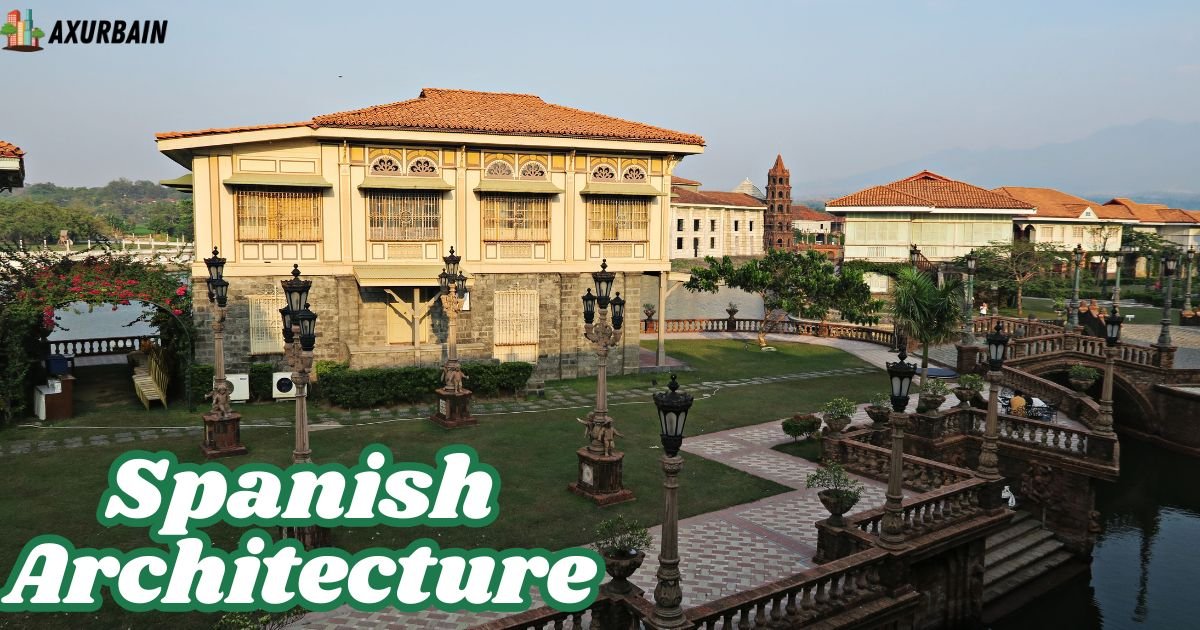
You know those houses with the red roofs and white walls? The ones that kind of feel warm and calm at the same time. Maybe you’ve seen them in a movie, or while scrolling, and thought… This looks nice, but what style is it?
That style is called Spanish architecture. But here’s the thing, it’s not just one clear design. It’s more like a mix of different ideas that came together over a really long time. Different cultures, different time periods… all added something to it. That’s why it doesn’t look the same everywhere, but still has a similar feel.
Don’t worry, we’re not going into anything complicated here. I’ll keep it simple. We’ll talk about where it came from, what makes it easy to spot, and why people still love it today. Once you get the basics, you’ll start noticing it without even trying.
What Is Spanish Architecture?
Spanish architecture isn’t just one clear style you can box in. It’s more like a mix that keeps changing over time. Different people came, lived there, built things their own way… and instead of replacing old styles, they kind of added to them.
The Romans were some of the first to leave a mark on strong buildings, simple shapes, and lots of arches. Then later, the Moors (Islamic rulers) brought in a completely different feel. More patterns, detailed tiles, open courtyards… things started to look more artistic. After that, European styles like Gothic and Renaissance came in, adding height, detail, and a bit of drama.
So yeah, it’s not just one look. It’s a mix of all these layers sitting on top of each other. And that’s exactly why no two Spanish buildings really look the same, even if they feel kind of similar.
Read more:What Is Greek Revival Architecture?
Where Did Spanish Architecture Come From?
If you go back far enough, it didn’t just appear out of nowhere. It kind of grew over time, slowly, as different people came and left their mark.
The Early Days (Romans)
First, you had the Romans. They were all about strong, practical building. Big stone structures, clean shapes, and those classic arches you still see today. They built roads, bridges, and public buildings that were made to last. Not flashy, but solid and smart.
The Moorish Influence
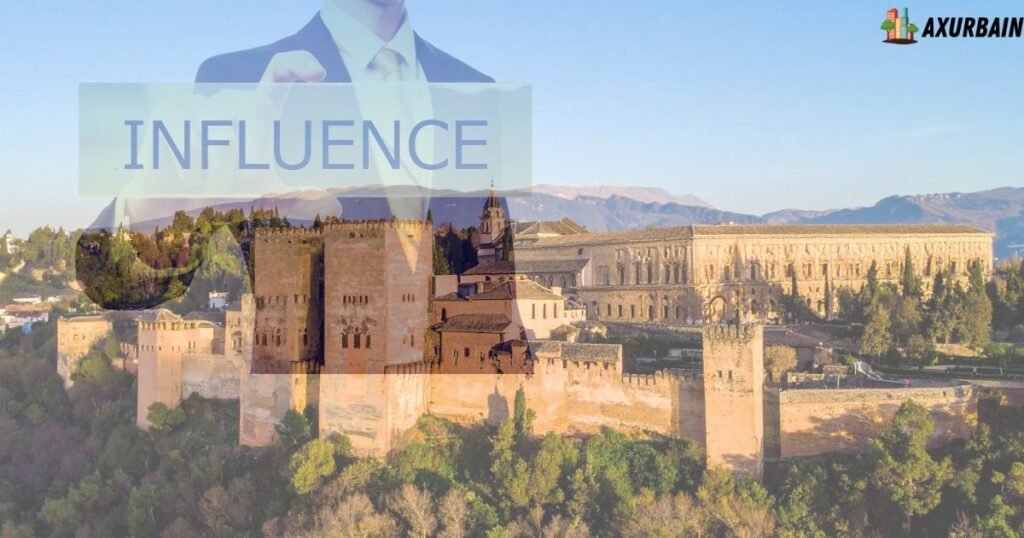
Then things shifted. When the Moors came, the whole vibe changed. Buildings started to feel more artistic. You’d see detailed patterns, colorful tiles, and peaceful courtyards in the middle of homes. It wasn’t just about strength anymore it was about beauty and comfort too.
European Styles Join In
Later on, other European styles started showing up. Gothic buildings went taller, with more dramatic shapes and big windows. Then the Renaissance brought things back to a cleaner, more balanced look. After that, Baroque came in and added a lot more detail, kind of bold and fancy, honestly.
What Makes Spanish Architecture Easy to Recognize?
Once you know what to look for, it actually becomes pretty easy to spot. It’s not about one big thing — it’s the small details that keep showing up again and again.
White or Light Walls
Most Spanish-style buildings use light colors, especially white. There’s a reason for that. These colors reflect sunlight, which helps keep the inside cooler. But also… it just looks clean and calm. Kind of peaceful, honestly.
Red Tile Roofs
This is probably the first thing people notice. Those reddish, clay tile roofs — slightly curved, layered on top of each other. You’ve definitely seen them before, even if you didn’t know the name.
Arches Everywhere
Look at the doors, windows, even hallways. You’ll see soft, curved shapes instead of sharp corners. These arches give the whole place a smoother, more relaxed feel.
Courtyards (Patios)
This one’s really interesting. Many homes have a small open space right in the middle — like a private outdoor area inside the house. It brings in light, fresh air, and just makes the space feel more alive.
Tiles and Iron Details
You’ll often see colorful tiles on walls, floors, or stairs. And then there’s the black iron balconies, window grills, gates. Simple, but adds a lot of character.
Read more:Norse Architecture: Viking Design, Longhouses & Stave Churches Explained
Main Types of Spanish Architecture
Alright, instead of turning this into a history lesson, let’s keep it simple. Spanish architecture has a few main styles, and each one has its own vibe.
Roman & Romanesque
This is where it all kind of started. These buildings were built to last. Thick walls, rounded arches, not too much decoration. Simple, strong, and practical. You look at them and think… yeah, this isn’t going anywhere.
Gothic Style
Then things got taller. Gothic buildings are more dramatic. Pointy arches, big windows, and a lot more height. Cathedrals especially feel huge, almost overwhelming when you stand inside them.
Moorish & Mudejar
This is where it gets really detailed. You’ll see patterns everywhere, tiles, symmetry, and a lot of careful design work. It feels more artistic, more thoughtful… not rushed at all.
Renaissance & Baroque
First, the Renaissance cleaned things up more balance, more order. Then Baroque came in and said, let’s add drama. Suddenly everything became more decorative, more grand, almost royal-looking.
Modern Spanish
And then… things get a bit wild. Modern Spanish architecture, especially the kind inspired by Antoni Gaudí, doesn’t really follow normal rules. Curved shapes, bold colors, unusual designs. Some of these buildings honestly don’t even look real.
Spanish Colonial Style (Outside Spain)
At some point, Spain didn’t just keep its style to itself. As people traveled and settled in other parts of the world, they took their way of building with them. And over time, that turned into what we now call Spanish Colonial style.
Where You See It
You’ll notice this style in places like parts of the United States — especially California and Texas — and across Latin America. It also shows up in the Philippines. Even though these places are far from Spain, the buildings still carry that same familiar feel.
Common Look
The look is pretty easy to recognize. White or light-colored walls, red tile roofs, and simple, earthy designs. Nothing too complicated, but it feels warm and natural. A lot of these buildings were designed to handle hot weather, so they’re practical too, not just nice to look at.
Why Spanish Architecture Feels So Comfortable
There’s a reason these homes don’t just look nice… they actually feel good to live in.
A lot of it comes down to how they’re built. Thick walls help keep the heat out during the day, so the inside stays cooler without needing much effort. Then you’ve got courtyards right in the middle of the home. They let fresh air move through the space and bring in natural light, which makes everything feel more open and alive.
And the way these buildings are designed, there’s always some kind of shade — from roofs, arches, or small covered areas. You’re not fully exposed to the sun all the time, which really matters in hot places.
Why People Still Love Spanish Style Today
Even now, people are still drawn to Spanish-style homes. And it’s not just because they look nice. There’s something about them that feels… timeless. Like they’ve always worked, and still do.
The design fits really well in warm climates. The materials, the layout, the way air moves through the space it all just makes sense. You don’t feel trapped inside. It feels open, relaxed.
At the same time, it has this cozy but slightly elegant vibe. Not too fancy, not too plain. Just balanced.That’s why you still see this style everywhere today in homes, villas, even resorts. It hasn’t gone out of style, and honestly, it probably won’t anytime soon.
Frequently Asked Questions
What is Spanish architecture in simple words?
It’s a mix of different building styles that developed in Spain over time. Instead of one fixed design, it combines ideas from different cultures, which is why it looks unique but still familiar.
What are the main features?
- White or light-colored walls
- Red clay tile roofs
- Arched doors and windows
- Courtyards or patios
- Decorative tiles and ironwork
Is Spanish architecture the same everywhere?
Not really. It changes depending on the region and time period. Some places have more Moorish influence, others look more European. So the style can feel a bit different from one place to another.
Where can I see it today?
Of course in Spain, but also in places like the United States, Latin America, and the Philippines. It spread over time, so now you’ll find it in many parts of the world.
Conclusion
When you really look at it, Spanish architecture is just a mix of different cultures coming together over time. Nothing too complicated. Romans, Moors, Europeans… Everyone added something, and somehow it all still works together.
And the best part is, it’s actually easy to recognize once you know the basics. The white walls, red roofs, arches, little details all start to stand out. Before this, you might’ve seen these buildings without thinking much. Now, you’ll probably notice them right away.
It’s also not just about how it looks. There’s a reason this style has lasted so long. It’s comfortable, practical, and made for real living. That’s why people still use it today, not just in old buildings but in modern homes and resorts too.