Mayan architecture (or Maya architecture) is the way the Maya built their cities using stone structures like temples, pyramids, and palaces. These Maya buildings were not just places to live; they were designed for religion, leadership, and daily life. Everything had a purpose.
They used smart techniques, strong materials, and careful planning to create structures that still stand today.And here’s why it still matters. These buildings help us understand how advanced the Maya were.
They show us how people long ago combined engineering skills, artistic design, and religious beliefs into one powerful system.In simple words, Mayan architecture is not just about old buildings—it’s about creativity, intelligence, and a deep connection between humans, nature, and the universe.
What Is Mayan Architecture?
Mayan architecture refers to the building style of the ancient Maya civilization, known for its pyramids, temples, and advanced construction techniques. These structures often used corbel arches and were designed for religious, political, and social purposes.
In simple terms, Mayan architecture includes strong, carefully planned buildings that combine engineering, culture, and belief systems into one unique design.
Read More: Are Volglaswanden Worth It? Pros, Cons, and Use Cases
Core Features of Mayan Architecture
Step Pyramids and Temples
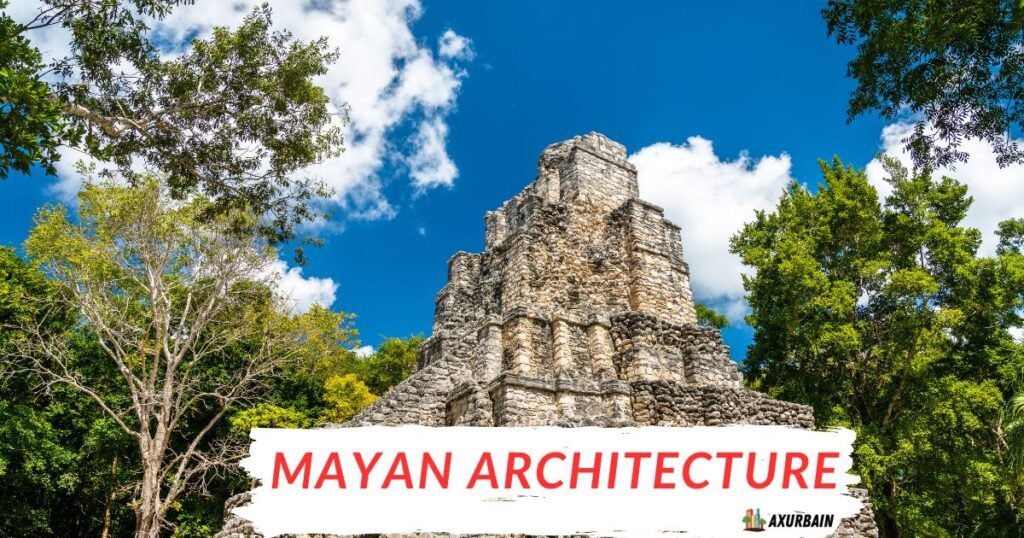
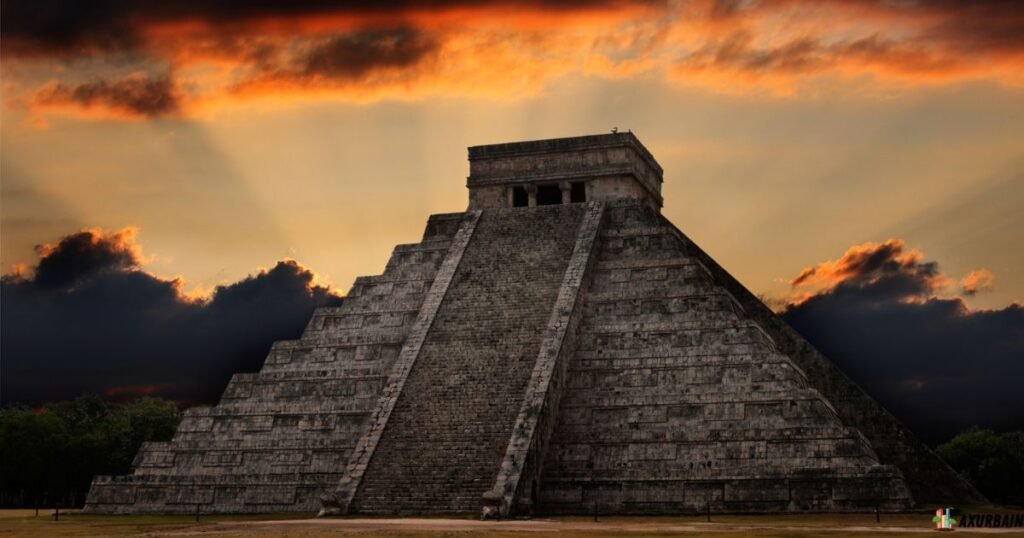
One of the most striking parts of Mayan architecture is its tall, step-shaped pyramids. These Maya buildings were built in layers, creating a staircase-like design that rises high above the ground. At the very top, there was usually a temple—a small but important space used for rituals.
These pyramids were deeply connected to religion. They were used for ceremonies, offerings, and sometimes even as burial places for rulers. This shows how Maya architecture was not just about building—it was about belief and power.
The long stairways running up the front of the pyramids were also symbolic. Climbing them was seen as a journey from the human world to the divine world. In many cases, these structures were even aligned with Maya astronomy, meaning they were positioned based on the sun, stars, or important celestial events.
Corbel Arches (Engineering Without Metal)
One of the smartest ideas in Mayan architecture is the corbel arch. The Maya didn’t use modern arches with a center stone. Instead, they built their own version using a simple but clever method.
Here’s how it works:
- Stones are placed on top of each other
- Each layer sticks out slightly inward
- At the top, the stones meet and form a roof
These arches were important because they allowed the Maya to build strong doorways, hallways, and rooms inside their Maya buildings. Without this technique, many of their structures wouldn’t have lasted so long.
You can find corbel arches in:
- Temples
- Palaces
- Inner chambers and corridors
They are a key reason why Maya architecture still stands today.
Decorative Elements and Symbolism
Mayan architecture was not just about strength—it was also full of meaning and beauty. The Maya decorated their buildings to tell stories and show power.
Here are some key elements:
Glyphs
The Maya used symbols called glyphs to write. These were carved into walls and stones to record history, rulers, and important events.
Stucco Surfaces
Many Maya buildings were covered with a smooth material called stucco. It allowed them to paint walls in bright colors, making cities look alive and vibrant.
Stelae and Carvings
Stelae are tall stone slabs with carvings on them. They often showed kings, battles, or religious scenes. These helped people remember important moments.
Roof Combs
These were tall structures placed on top of temples. They made buildings look even higher and more powerful. From far away, they made the city stand out above the jungle.
Major Types of Mayan Structures
Pyramids (Tikal, Palenque, Chichen Itza)
The most famous Maya buildings are the pyramids found in cities like Tikal, Palenque, and Chichen Itza. These are a key part of Mayan architecture and can still be seen today.
These pyramids were built in multi-level platforms, stacked one above the other. Each level made the structure taller and more powerful-looking. Inside some pyramids, there were burial chambers. These were used to bury kings or important leaders along with valuable items.
Palaces and Residential Complexes
Not all Maya buildings were pyramids. The Maya also built large palaces where rulers and elites lived.
These palaces were:
- Wide and complex
- Made up of many rooms
- Often located near central plazas
They were not just homes. They also had an administrative role, meaning they were used for meetings, decision-making, and managing the city.
Ballcourts and Public Spaces
Mayan cities also included ballcourts—large open areas used for a special game.
But this wasn’t just a sport.
- The game had ritual meaning
- It was sometimes linked to gods and beliefs
- It could represent battles between forces like life and death
Public spaces like plazas were also important. They were used for gatherings, ceremonies, and events. In Maya architecture, social life and religion were closely connected.
Water Systems and Urban Planning
Living in jungle areas meant water management was very important. The Maya were highly skilled in planning their cities.
They built:
- Reservoirs to store rainwater
- Aqueducts to move water where needed
- Drainage systems to control flooding
This level of planning shows that Mayan architecture was not just beautiful—it was also practical and advanced.
Read more: How Italian Architecture Differs From American Architecture: A Complete Guide
Materials and Construction Techniques
The strength of Mayan architecture comes from the smart use of simple materials and clever building methods. Even without modern tools, the Maya created strong and lasting Maya buildings.
Limestone Usage
The main material used was limestone, which was easy to find in the regions where the Maya lived.
- Soft when freshly cut, but hardens over time
- Easy to shape into blocks
- Used for walls, pyramids, and temples
Limestone was also burned to make lime plaster (stucco), which gave buildings a smooth and bright finish.
Tools (Stone Tools, No Metal)
The Maya did not have metal tools, which makes their work even more impressive.
They used:
- Stone tools for cutting and shaping
- Obsidian blades for sharp edges
- Wooden tools for support work
Even with these basic tools, they managed to build detailed and complex structures—showing the true skill behind Maya architecture.
Labor and Workforce
Building large structures required a lot of people.
- Workers included common people and skilled builders
- Projects were often organized by rulers or leaders
- Construction could take many years
This teamwork shows how organized the Maya society was and how important these Maya buildings were to their culture.
Construction Process
The process of building was careful and well planned.
- Stones were cut and shaped by hand
- Blocks were stacked tightly without modern cement
- Outer layers were covered with stucco and decorated
Many structures were also built in stages—new layers were added over old ones, especially in pyramids.
In simple words, Mayan architecture was built with patience, skill, and smart planning—proving that great things don’t always need advanced technology.
How Mayan Architecture Reflects Culture and Beliefs
Mayan architecture was not just about building cities—it was about expressing what the Maya believed. Every structure had meaning, and every design choice reflected their connection to religion, nature, and the universe.
Connection to Gods
For the Maya, their gods were a big part of daily life. That’s why many Maya buildings, especially pyramids and temples, were built as sacred spaces.
- Temples were placed at the top of pyramids to feel closer to the sky
- Rituals and offerings were performed to honor the gods
- Rulers were often seen as connected to divine powers
This shows that Maya architecture was deeply spiritual, not just functional.
Astronomy and Alignment
The Maya were excellent observers of the sky. Maya astronomy played a huge role in how they designed their cities.
- Buildings were aligned with the sun, moon, and stars
- Some temples were positioned to mark events like solstices
- Shadows and light were used to create special visual effects
This means their architecture was like a giant calendar, helping them track time and seasons.
Symbolism in Structure
Nothing in Mayan architecture was random. Every shape and design had a deeper meaning.
- Pyramids symbolized mountains, which were sacred in Maya belief
- Stairways represented a path between earth and the heavens
- Decorations told stories about rulers, gods, and history
In simple terms, Maya buildings were like books made of stone—full of meaning, stories, and beliefs that still speak to us today.
Colors in Mayan Architecture
When we think of Mayan architecture, we often imagine plain stone buildings. But in reality, many Maya buildings were once full of color—bright, bold, and full of meaning.
Use of Natural Colors
Each color had a special meaning in their culture:
- Red often stood for life, energy, and power
- White symbolized purity and peace
- Blue was linked to the sky and gods
- Yellow could represent food, maize (corn), and survival
These colors were deeply connected to religion, showing how Maya architecture and belief systems worked together.
Stucco and Painted Surfaces
To apply these colors, the Maya used a material called stucco.
- It created smooth surfaces on walls
- It made painting easier
- It helped colors stand out clearly
In sunlight, these painted surfaces would shine and stand out across the jungle. This made important Maya buildings visible from far away, almost like landmarks.
Color and Emotional Experience
Colors were not just for decoration—they were used to influence how people felt.
- Bright colors made buildings look powerful and important
- Certain shades created a sense of fear, respect, or awe
- Temples looked more divine and sacred
So, Mayan architecture wasn’t just about structure—it was also about experience. Colors helped people understand where they were, what was important, and how they should feel.
Comparison with Other Ancient Architectures
To better understand Mayan architecture, it helps to compare it with other famous ancient styles like Egyptian and Greek architecture. Each civilization had its own purpose, style, and way of building.
Maya vs Egyptian vs Greek Architecture
| Feature | Maya Architecture | Egyptian Architecture | Greek Architecture |
| Main Structures | Step pyramids, temples, palaces | Smooth pyramids, tombs, temples | Columns, temples, theaters |
| Pyramid Style | Stepped (layered platforms) | Smooth-sided | No pyramids |
| Purpose | Religious + daily life + rulership | Mainly tombs for pharaohs | Public life, religion, politics |
| Design Style | Highly decorative, symbolic | Massive and simple outside | Balanced, symmetrical, clean |
| Materials Used | Limestone, stucco | Limestone, granite | Marble, stone |
| Writing/Art | Glyph carvings, stelae | Hieroglyphs, wall paintings | Sculptures, carvings |
| Use of Color | Bright painted surfaces | Limited exterior color | Mostly plain stone look |
| Engineering | Corbel arches | Advanced stone cutting | True columns and proportions |
| Focus Point | Temples on pyramids | Burial chambers inside pyramids | Open temples with columns |
Why Mayan Architecture Still Matters Today
Even though Mayan architecture is thousands of years old, it still has a strong impact on the world today. These ancient Maya buildings are not just ruins—they are a source of learning, inspiration, and wonder.
Inspiration for Modern Architects
Modern architects often study Maya architecture to learn from its smart design.
- Strong structures built without modern tools
- Natural ventilation and cooling
- Use of local materials like limestone
Many ideas used today—like eco-friendly building and climate-based design—can be traced back to how the Maya built their cities.
Tourism and Global Interest
Mayan sites attract millions of visitors every year.
- Famous locations like pyramids and temples draw tourists
- People travel to explore history and culture
- These sites help local economies grow
The beauty and mystery of Maya buildings continue to capture global attention.
Lessons in Sustainability
The Maya knew how to live in balance with nature.
- Built cities that worked with the environment
- Managed water using reservoirs and drainage systems
- Designed structures based on sunlight and Maya astronomy
Today, as the world focuses more on sustainability, Mayan architecture offers valuable lessons on how to build smarter and more responsibly.
Key Facts About Mayan Architecture (Quick List)
Here are some quick and interesting facts about Mayan architecture that make it truly unique:
- The Maya built impressive Maya buildings without using any metal tools
- Most structures were constructed in dense jungle environments, making their work even more challenging
- Their buildings were highly decorative, with carvings, colors, and detailed designs
- Religion played a major role, with temples and pyramids used for rituals and ceremonies
- Many structures were carefully aligned with Maya astronomy, showing their deep understanding of the sky
- Cities were well-planned, including plazas, roads, and water systems
- Buildings were often expanded over time, with new layers added on top of older ones
Frequently Asked Questions.
What are the main features of Mayan architecture?
Mayan architecture is known for pyramids, temples, corbel arches, decorative carvings, and well-planned Maya buildings used for religion and daily life.
What is a corbel arch?
A corbel arch is a method where stones are stacked inward until they meet at the top, forming a roof without using a central keystone.
Why did the Maya build pyramids?
The Maya built pyramids for religious ceremonies, worship, and as burial places for rulers.
What materials did the Maya use?
They mainly used limestone, stucco, wood, and stone tools to build strong and long-lasting structures.
How is Mayan architecture different from Egyptian?
Mayan architecture uses stepped pyramids and decorative designs, while Egyptian architecture uses smooth pyramids mainly built as tombs.
Conclusion
Mayan architecture is a powerful example of how creativity, skill, and belief can come together in one system. From tall pyramids and detailed carvings to smart planning and strong Maya buildings, everything was designed with purpose.
What makes it truly unique is how the Maya combined engineering, art, and religion—all without modern tools. Their use of structure, color, and even Maya astronomy shows a deep understanding of both the world and the universe.
Even today, these ideas still matter. Modern design, including architecture and even websites, follows similar principles—like visual balance, user focus, and meaningful design.