
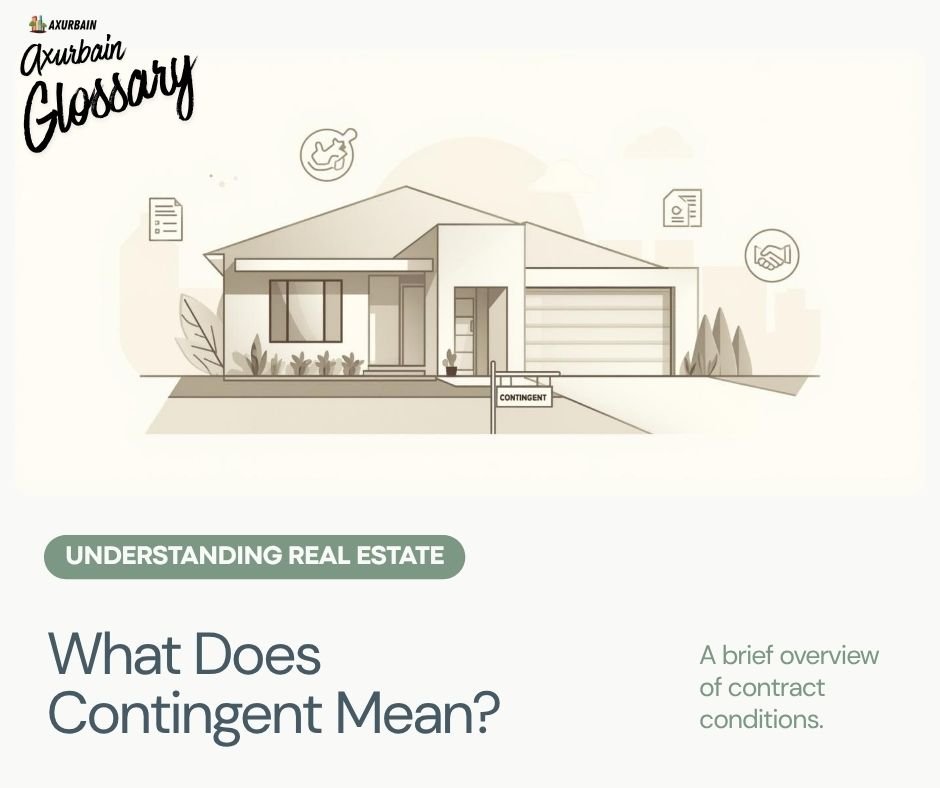
If you’re browsing property listings and see the word contingent, it can feel confusing at first. Here’s the simple answer:
In real estate, “contingent” means a seller has accepted an offer, but the deal depends on certain conditions being met before it becomes final.
These conditions are called contingencies. They protect the buyer and sometimes the seller too. From my experience working with urban housing projects, this stage is where most deals either move forward smoothly or fall apart due to unmet conditions.
Understanding this term helps you read listings smarter and make better decisions whether you’re buying your first home or investing.
Table of Contents
ToggleWhat Is Contingent in Real Estate?
A contingent property is one where the seller has accepted an offer, but the sale is not yet final because specific conditions still need to be satisfied.
Let’s break it down simply:
- Buyer makes an offer
- Seller accepts the offer
- The deal moves forward only if certain conditions are met
These conditions are called contingencies. If any of them fail, the buyer can usually walk away without penalties.
From a professional standpoint, contingencies are a safety layer. They ensure that buyers are not locked into a deal if something goes wrong like financing issues or hidden property problems.
In real-world transactions, this phase is very active. Inspections happen. Banks review loans. Appraisals are completed. It’s not just paperwork. It’s where the deal is tested.
What Does Contingent Mean on a Real Estate Listing?
When you see a home marked as contingent on a listing, it means:
The property is under contract, but the sale is not guaranteed yet.
This is important because many buyers assume the home is completely off the market. That’s not always true.
Here’s how it compares to other listing statuses:
- Active: Property is available for offers
- Contingent: Offer accepted, but conditions are still being completed
- Pending: All contingencies are cleared, and the deal is close to final
In some markets, especially competitive urban areas, contingent listings can still attract interest. Sellers may even accept backup offers in case the current deal falls through.
From an urban planning and housing market perspective, contingent listings reflect a transition phase. The property is technically spoken for, but not fully secured. That small gap creates opportunities for other buyers who are prepared to act quickly.
Common Types of Real Estate Contingencies
Contingencies are conditions written into a real estate contract that must be met for the sale to go through.
Here are the most common ones you’ll see in real estate deals:
- Home Inspection Contingency: The buyer can inspect the property. If serious issues are found, they can renegotiate or walk away.
- Financing (Mortgage) Contingency: The deal depends on the buyer securing a loan. If the loan is denied, the buyer can exit safely.
- Appraisal Contingency: The home must be valued at or above the agreed price. If it appraises lower, the deal may be renegotiated or canceled.
- Sale of Buyer’s Home Contingency: The buyer must sell their current home first. If that doesn’t happen, the deal can fall through.
From my experience in urban housing markets, inspection and financing contingencies are the most critical. They are also the most common reasons deals collapse.
Can You Still Make an Offer on a Contingent Home?
Yes, you can still make an offer on a contingent property, but it becomes a backup offer in most cases.
Here’s how it works:
- The seller already has a primary buyer
- Your offer is placed as a backup
- If the first deal fails, your offer moves into first position
This happens more often than people think. In fast-moving city markets, deals fall apart due to financing delays or failed inspections.
From a practical standpoint, serious buyers should not ignore contingent listings. If the property fits your needs, submitting a strong backup offer can be a smart move. It keeps you in the game without waiting for new listings.
Contingent vs Pending: What’s the Difference?
The key difference is simple: contingent means conditions are still in progress, while pending means those conditions are already cleared.
Here’s a clear comparison:
| Status | Meaning | Can You Make an Offer? |
| Contingent | Offer accepted, but contingencies are still being completed | Yes, usually (backup) |
| Pending | All contingencies removed, deal is close to final closing | No, rarely |
This distinction matters. A contingent home still carries uncertainty. A pending home is almost sold.
Why Contingencies Matter in Real Estate
Contingencies protect buyers from risk and give flexibility during the transaction process.
Here’s why they are essential:
- Risk Protection: Buyers are not forced into a bad deal if something goes wrong
- Financial Safety: Ensures buyers don’t lose money if financing fails
- Negotiation Power: Allows buyers to request repairs or price adjustments
- Market Stability: From an urban planning standpoint, contingencies help maintain fair and transparent transactions across housing markets
In my experience, removing contingencies too early is one of the biggest mistakes buyers make, especially in competitive markets. It might make your offer look stronger, but it also increases your risk significantly.
FAQs: What Does Contingent Mean in Real Estate?
1. What does contingent mean in real estate?
It means the seller has accepted an offer, but the sale depends on certain conditions being met before it becomes final.
2. What does contingent mean on a real estate listing?
It means the property is under contract, but contingencies like inspection or financing are still in progress.
3. Can a contingent home fall through?
Yes. If contingencies are not met, the deal can collapse and the home may return to the market.
4. Can I make an offer on a contingent property?
Yes, you can usually submit a backup offer in case the current deal fails.
5. What is the difference between contingent and pending?
Contingent means conditions are still active. Pending means all conditions are cleared and closing is near.
6. Is contingent better than pending for buyers?
Yes, because there is still a chance to enter the deal if the current contract falls through.
The kerin Group has define it very well. So if you have interest to dig this topic in more detail explore the video below:
Conclusion
Understanding what “contingent” means in real estate gives you a clear advantage when reading property listings. It tells you the home is under contract, but not fully sold yet.
For buyers, this stage still offers opportunity. For sellers, it reflects progress with a bit of uncertainty. The key is knowing that until contingencies are cleared, nothing is final.
If you’re exploring more real estate terms, it’s worth learning related concepts like pending status, escrow, and closing process to build a complete picture.