
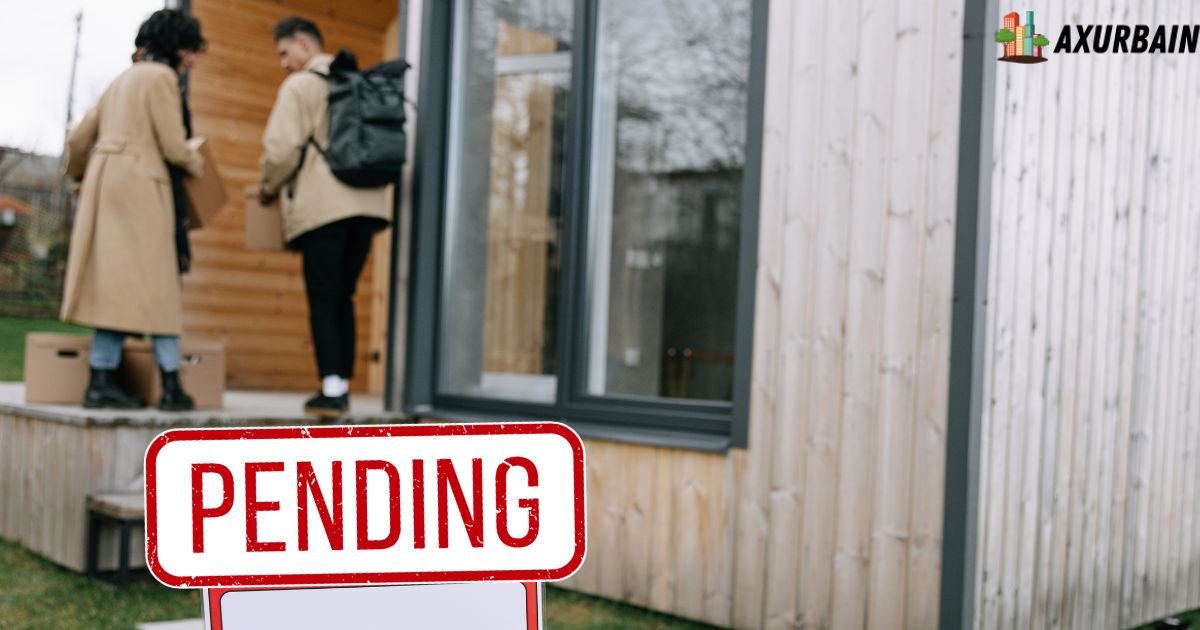
When you’re browsing homes online or driving through a neighborhood, you might see some listings marked as “pending.” But what does that actually mean?
In real estate, pending means a seller has accepted an offer, and the sale is moving toward closing—but it isn’t final yet. The home is usually off the market, but ownership hasn’t officially changed hands.
Understanding pending status is important whether you’re a buyer, seller, or just exploring the market. It helps you know which homes are still available, which deals are almost done, and what to expect in the final steps of a sale.
Table of Contents
- What Does “Pending” Mean in Real Estate?
- Pending Meaning in Real Estate (Simple Explanation)
- What Does Pending Mean on a Real Estate Listing?
- What Does “Sale Pending” Mean in Real Estate?
- What Does Pending Mean in Real Estate Transactions?
- Pending vs. Contingent (Quick Difference)
- How Long Does Pending Last?
- FAQs
- What does pending mean?
- Can you make an offer on a pending home?
- Is pending the same as sold?
- Conclusion
Table of Contents
ToggleWhat Does “Pending” Mean in Real Estate?
In real estate, pending means a seller has accepted a buyer’s offer, but the sale isn’t final yet. The property is usually off the market, while the buyer and seller complete the final steps like inspections, financing, and paperwork.
Think of it as “almost sold, but not officially closed.” It signals that the deal is in progress, but ownership hasn’t changed hands yet.
Pending Meaning in Real Estate (Simple Explanation)
When a home is pending, most of the heavy work is already done, but the sale isn’t officially complete. Behind the scenes, the buyer is usually:
- Finalizing their loan or mortgage approval
- Completing a home inspection
- Waiting on title checks and paperwork
For sellers, it means the property is off the active market while all these final steps are completed.
What Does Pending Mean on a Real Estate Listing?
When a home shows as pending on a real estate listing, it means buyers will usually see that the property is no longer actively for sale.
The listing signals that the home is effectively off the market, as the seller is focused on closing the accepted offer.
Some sellers may still accept backup offers, but that’s typically the only exception.
What Does “Sale Pending” Mean in Real Estate?
“Sale pending” is just another way of saying pending. It means the seller has accepted an offer and the deal is in the final stages before closing. There’s no major difference—both indicate the home is almost sold but not officially closed.
What Does Pending Mean in Real Estate Transactions?
In the home-buying process, pending is the stage right before closing. A typical flow looks like this:
Offer → Pending → Sold
During pending, the buyer and seller are completing the final steps—like inspections, loan approvals, and paperwork—so the property is almost ready to officially change hands.
Pending vs. Contingent
Many people confuse pending and contingent, but they are different stages:
- Contingent = offer accepted, but certain conditions (inspection, financing) still need to be met.
- Pending = conditions are mostly cleared; the deal is close to closing.
Think of it simply: Contingent = deal depends on conditions. Pending = deal is almost done.
How Long Does Pending Last?
The pending stage usually lasts:
- Cash purchases: 7–14 days
- Mortgage-based purchases: 30–45 days
Delays can happen due to financing, appraisals, or title issues. If a home stays pending for months, it may indicate complications in the process.
Frequently Asked Questions
What does pending mean?
Pending means a seller has accepted a buyer’s offer, and the sale is in progress, but the property hasn’t officially sold yet.
Can you make an offer on a pending home?
Usually no, unless the seller allows backup offers in case the current deal falls through.
Is pending the same as sold?
No. Pending means the deal is almost done, while sold means the transaction is fully complete.
Conclusion
Pending in real estate means “almost sold but not yet closed.”It signals that the buyer and seller are finishing the final steps, like inspections, financing, and paperwork. Understanding this term helps buyers, sellers, and investors make smarter decisions and avoid confusion during the home-buying process.