Walk through an Edwardian home, and you’ll notice something right away—it feels light, open, and calm. There’s space to breathe. Sunlight fills the rooms. And nothing feels too heavy or crowded.
That’s the beauty of Edwardian architecture.
This style, popular in the early 1900s, was a clear shift away from the darker, more decorative Victorian era. Instead of clutter and complexity, Edwardian design focused on simplicity, natural light, and comfort. Homes became brighter. Layouts became more practical. And design started to feel more human.
But here’s where it gets interesting.
These same ideas—light colors, clean layouts, and balanced design—are exactly what make modern websites look good and feel easy to use today. What worked in homes over 100 years ago is now shaping how we design digital spaces.
In this guide, you’ll learn what Edwardian architecture really is, its key features, and how its timeless design principles can inspire better website color choices and layouts.
What Is Edwardian Architecture?
Edwardian architecture is a style of home design from the early 1900s that focuses on light, space, and simple elegance. These homes feel open, comfortable, and less crowded compared to earlier designs.
It developed during the time of King Edward VII, roughly between 1901 and 1914.
Unlike the darker and more decorative Victorian style, Edwardian homes are known for their bright interiors, large windows, and clean, uncluttered look.
Read more:Paris France Architecture: Iconic Styles, Colors & Design Guide
A Brief History of Edwardian Architecture
The Edwardian Era Explained
Edwardian architecture developed during the reign of King Edward VII (1901–1910), a time when life in Britain was beginning to change. Society was moving forward, and people wanted homes that felt more comfortable and practical.
During this period, the middle class was growing, and many families started moving away from crowded city centers to quieter suburban areas. This shift created a demand for homes that were not only beautiful but also spacious, airy, and suitable for everyday living.
From Victorian to Edwardian
Edwardian architecture marked a clear break from the older Victorian style. The change wasn’t sudden, but it was noticeable.
- Heavy → Light
Victorian homes felt dense and detailed, while Edwardian homes became more open and relaxed. - Dark → Bright
Instead of dark colors and small windows, Edwardian houses used large windows to bring in natural light. - Decorative → Simple
Designs became cleaner, with less clutter and fewer unnecessary details.
In simple terms, Edwardian architecture took what worked before and made it easier, brighter, and more comfortable for everyday life.

Key Features of Edwardian Architecture
Spacious Layouts
One of the first things you notice in an Edwardian home is the sense of space. Rooms are larger and better arranged, making the house feel open and easy to move around in. Unlike older homes that felt cramped, these layouts were designed for comfort and everyday living.
Large Windows & Natural Light
Edwardian houses are filled with big windows that let in plenty of sunlight. This makes the interiors feel bright and welcoming throughout the day. Natural light wasn’t just a feature—it was a key part of the design.
Simple Decoration
Instead of heavy details and complex patterns, Edwardian homes use simple and clean decoration. Walls, ceilings, and furniture are more minimal, creating a calm and uncluttered environment.
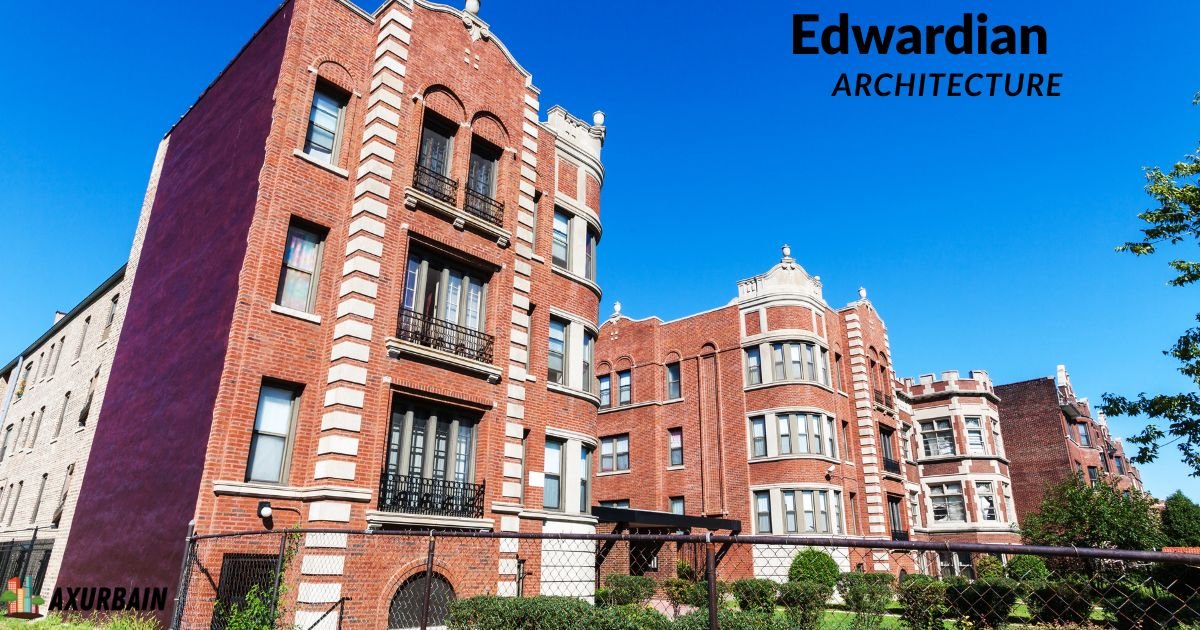
Red Brick & Timber Details
From the outside, Edwardian homes often stand out because of their red brick walls and timber accents. These materials give the house a warm, classic look while still keeping the design simple and elegant.
Gardens & Outdoor Space
Another important feature is the connection to outdoor space. Many Edwardian homes include front or back gardens, allowing families to enjoy fresh air and greenery. This added to the overall feeling of openness and relaxation.
Edwardian Architecture vs Victorian Architecture
Edwardian and Victorian homes may look similar at first, but they are quite different when you look closely. Edwardian design focuses on comfort and simplicity, while Victorian style is more detailed and decorative.
| Feature | Edwardian | Victorian |
| Style | Simple and clean | Ornate and decorative |
| Light | Bright with large windows | Dark with smaller windows |
| Space | Open and spacious | More compact and enclosed |
In short, Edwardian homes feel lighter, brighter, and more practical, while Victorian homes are richer in detail but often feel heavier and more crowded.
Edwardian Color Palette Explained
Color played a big role in shaping the calm and airy feel of Edwardian homes. Instead of dark and heavy shades, this style used lighter, softer colors to make spaces feel open and welcoming.
Exterior Colors
From the outside, Edwardian homes have a warm and natural look.
- Red brick was commonly used for walls
- White trims around windows and doors added contrast
- Natural tones kept the overall look simple and balanced
This combination made homes stand out without looking too bold or overwhelming.
Interior Colors
Inside the home, the focus was on soft and soothing shades.
- Cream and beige were used as base colors
- Soft greens and pastel tones added a gentle touch of color
- Floral patterns were often used in wallpapers and fabrics
These choices helped create a space that felt calm, fresh, and comfortable.
Why Light Colors Were Important
Light colors were not just for style—they had a clear purpose.
- They reflect natural light, making rooms brighter
- They help spaces feel larger and more open
This is why Edwardian interiors feel so airy and pleasant, even today.
Materials Used in Edwardian Homes
Edwardian homes were built using materials that were not only strong but also visually appealing. The goal was to create houses that looked elegant while staying practical for everyday use.
Red Brick
Red brick was one of the most common materials used in Edwardian homes. It was strong, long-lasting, and easy to maintain. At the same time, its natural color gave homes a warm and classic appearance without needing extra decoration.
Timber Framing
Timber was often used for structural details and decorative touches, especially on the exterior. It added a sense of character and texture to the home while keeping the design simple and natural.
Stone Accents
Stone was used around windows, doors, or as part of the structure. It provided extra strength and gave the home a more refined and solid look. Stone details also helped balance the overall design.
Decorative Tiles
Tiles were commonly used in entryways, fireplaces, and sometimes on walls. These decorative tiles added small touches of detail without making the space feel heavy. They were also durable and easy to clean, making them practical for daily use.
Why These Materials Were Chosen
The materials used in Edwardian homes were carefully selected for two main reasons:
- Durability → They could last for many years with minimal maintenance
- Aesthetics → They created a clean, elegant look without being overly decorative
This balance is what makes Edwardian homes feel both beautiful and practical, even today.

Edwardian Interior Design Style
Step inside an Edwardian home, and you’ll notice how calm and comfortable it feels. The interiors are not overloaded with detail. Instead, everything is designed to feel light, practical, and easy to live in.
Light and Soft Color Palettes
Edwardian interiors use soft and gentle colors to create a relaxing space.
- Cream and beige are often used as base tones
- Pastel shades add a touch of color without being too bold
These colors help the room feel bright, fresh, and welcoming.
Wooden Flooring and Parquet Designs
Wooden floors are a key feature in Edwardian homes.
- Parquet patterns add subtle design without being too decorative
- Natural wood tones bring warmth and comfort to the space
This creates a balance between style and simplicity.
Functional Yet Stylish Furniture
Furniture in Edwardian homes is designed for comfort first.
- Pieces are simple but still elegant
- Less focus on heavy decoration, more on usability
This makes the home feel more livable and practical.
Minimal Clutter and Open Space
Edwardian interiors avoid overcrowding.
- Rooms are kept clean and organized
- Open space is part of the design
The result is a home that feels peaceful, airy, and easy to enjoy every day.
Read more:Architecture of Mayan Civilization: Pyramids, Design, and Hidden Innovations
Types of Edwardian Homes
Edwardian architecture includes different types of homes, each designed to suit different lifestyles. While the style stays similar, the size and layout can vary.
Edwardian Terraced Houses
These homes are built in a row, sharing walls with the houses next to them.
- Common in urban areas
- More affordable compared to other types
- Still offer good natural light and simple design
Even though they are attached, they often feel comfortable and well-planned inside.
Semi-Detached Edwardian Homes
Semi-detached houses are built in pairs, with one shared wall between two homes.
- More space than terraced houses
- Better privacy
- Often include small gardens
These homes are a popular choice for families because they offer a balance between space and affordability.
Detached Villas
Detached Edwardian homes stand alone and do not share walls with other houses.
- Larger in size
- More private
- Usually include bigger gardens
These homes feel more luxurious and spacious, making them ideal for those who want comfort along with extra space.
Edwardian Architecture Around the World
Edwardian architecture may have started in one place, but its style spread to many parts of the world.
- United Kingdom (Origin)
This is where Edwardian architecture began. Many classic examples can still be seen in British suburbs, with red brick homes and spacious layouts. - Australia (Very Common)
Edwardian homes became very popular in Australia, especially in cities like Melbourne. These houses often include wide verandas and decorative wood details, adapted to the local climate. - Canada and Other Regions
Variations of Edwardian homes can also be found in Canada and other countries. While designs may differ slightly, the core idea of light, space, and simplicity remains the same.
Why Edwardian Homes Are Still Popular Today
Even after more than a century, Edwardian homes are still loved by many—and for good reason.
- Bright and airy feel
Large windows and light colors make spaces feel open and fresh - Practical layouts
Rooms are designed for real living, not just decoration - Timeless design
The simple style never goes out of fashion - Family-friendly spaces
Spacious rooms and gardens make them ideal for families
These qualities make Edwardian homes just as appealing today as they were in the past.
How to Identify an Edwardian House
If you’re trying to recognize an Edwardian home, there are a few easy signs to look for:
- Large windows
Let in plenty of natural light - Red brickwork
A common feature on the exterior - Wide and open layout
Homes feel less cramped and more spacious - Simple exterior details
Clean design without heavy decoration
These features help Edwardian homes stand out from older styles.
Pros and Cons of Edwardian Homes
Advantages
- Natural light
Bright interiors create a pleasant living environment - Spacious rooms
More room to move and arrange furniture - Comfortable living
Designed with practicality in mind
Disadvantages
- Older construction issues
Some homes may need repairs or updates - Maintenance cost
Upkeep can be higher compared to newer homes - Heating challenges
Larger spaces can be harder to keep warm
Frequently Asked Questions
What is Edwardian architecture known for?
Edwardian architecture is known for its light, spacious, and simple design. Homes from this period focus on large windows, open layouts, and minimal decoration, creating a bright and comfortable living space.
When was the Edwardian era?
The Edwardian era lasted from 1901 to 1910 during the reign of King Edward VII. In architecture, the style continued to develop until around 1914, just before World War I.
How is Edwardian different from Victorian?
Edwardian homes are simpler, brighter, and more spacious, while Victorian homes are more decorative, darker, and compact. Edwardian design focuses on comfort and practicality, whereas Victorian style emphasizes detail and ornamentation.
What materials were used in Edwardian homes?
Common materials include red brick, timber, stone, and decorative tiles. These were chosen because they are durable, practical, and visually appealing, giving homes a classic yet simple look.
Why are Edwardian homes popular today?
Edwardian homes are still popular because they offer a bright and airy feel, practical layouts, and timeless design. Their spacious rooms and natural light make them ideal for modern living.
Conclusion
Edwardian architecture is all about simplicity, brightness, and space. It moved away from heavy designs and focused on creating homes that feel open, comfortable, and easy to live in.
Its timeless appeal is what makes it stand out even today. The clean layouts, natural light, and balanced design continue to attract homeowners around the world.
Even in modern times, Edwardian homes remain relevant because they offer something people still want—a peaceful, practical, and welcoming living space.