
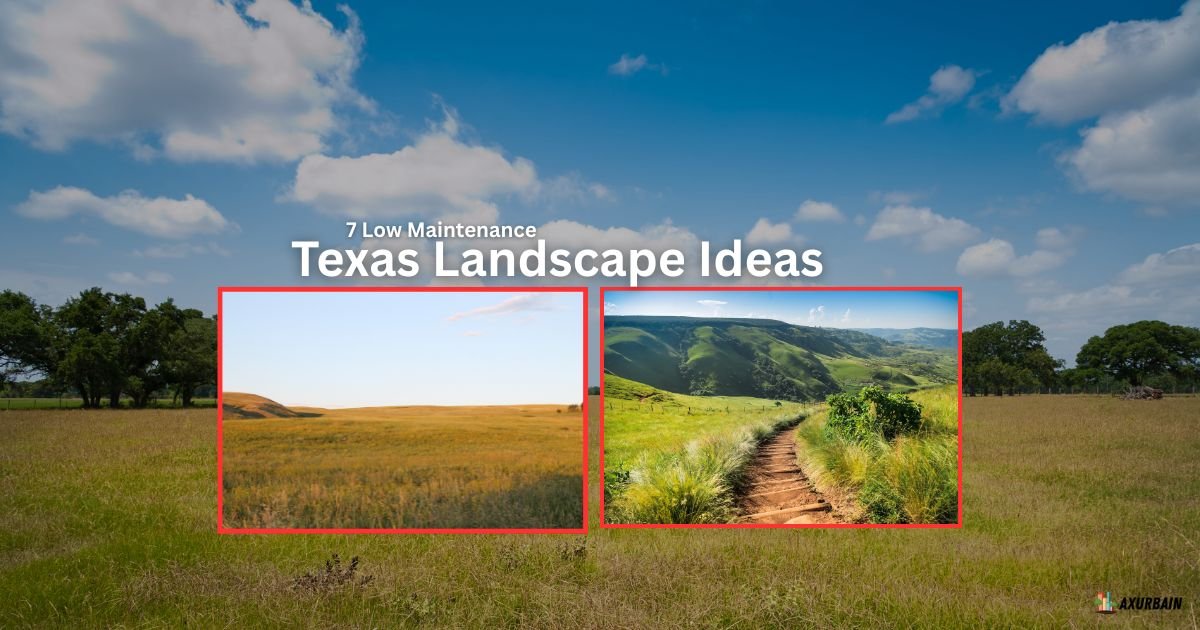
Landscaping in Texas isn’t just about making your yard look nice; it’s about making it survive the heat. With long, hot summers, sudden droughts, and tough, clay soil, maintaining a garden can be a real challenge.
That’s why many homeowners are turning to low-maintenance landscaping ideas in Texas.
By using drought-tolerant plants and smart designs, you can have a beautiful yard that saves water, time, and money. Whether you want a simple front yard or a full backyard makeover, a low-maintenance Texas landscape helps you enjoy the outdoors without the constant need for watering or mowing.
Understanding Texas Climate and Soil
Texas has distinct climates, varying by region. Knowing your area is important for creating a low-maintenance landscape.
- Central Texas: Hot summers, mild winters, and clay soil that holds water.
- North Texas: Hot summers, cold winters, and occasional droughts.
- West Texas: Very dry, desert-like, with poor soil, plants must survive on minimal water.
- Gulf Coast: Humid, warm, and wet. Be aware of flooding and salty soil.
Common problems in Texas yards are extreme heat, dry conditions, and clay soil that doesn’t drain well.
Using native or drought-resistant plants solves these problems. These plants require less water, less care, and are better suited to survive Texas weather.
Plants and methods to consider:
- Texas native plants like Buffalo Grass, Texas Sage, or Lantana
- Xeriscaping to save water
- Proper soil preparation to improve drainage
Quick Climate Guide:
| Texas Zone | Recommended Plants / Ideas |
| Central Texas | Texas Sage, Buffalo Grass, Lantana |
| North Texas | Black-eyed Susan, Live Oak, Salvia |
| West Texas | Cacti, Desert Willow, Blue Grama |
| Gulf Coast | Oleander, Yaupon Holly, Lantana |
7 Low Maintenance Texas Landscape Ideas
1. Artificial Grass / Install Artificial Grass
Artificial grass is a synthetic lawn that remains green year-round without the need for watering or mowing.
Why it works for Texas:
- Texas summers are hot, and natural grass often dries out or turns brown. Artificial grass stays green even in drought conditions.
- Saves water, a huge plus for areas with restrictions.
- Requires almost no maintenance, with no mowing, fertilizing, or pest control needed.
Tips for installation:
- Ensure the base is well-drained to prevent water pooling.
- Select UV-resistant turf to prevent fading in the intense Texas sun.
- Optional: add a soft infill layer to make it comfortable for kids and pets.
Best areas to use:
- Front yards, backyards, patios, or play areas.
- Around pools for a clean, dry surface.
Extra benefit:
- Environmentally friendly if you replace natural grass that needs heavy watering.
- Long-lasting can last 10–15 years with minimal care.
2. Gravel and Decomposed Granite Walkways / Spread Pea Gravel / Spread Crushed Rock
Gravel and crushed rock are perfect for low-maintenance paths and borders.
Why it works for Texas:
- Resists damage in hot, dry weather.
- Prevents weeds if a weed barrier is added underneath.
- No mowing or watering needed.
Tips for use:
- Decomposed granite (DG): Smooth, firm surface, good for walking paths or patios.
- Pea gravel: Small, round stones, decorative and easy to spread.
- Crushed rock: Sharp edges, stays in place, good for driveways or edges.
Installation:
- Lay a landscape fabric first to block weeds.
- Spread gravel evenly and compact lightly.
- Optional: edge with stones or pavers to contain the gravel.
Extra ideas:
- Mix gravel with drought-tolerant plants for a natural look.
- Use different colors for patterns or pathways.
3. Rock Gardens / Build a Rock Garden
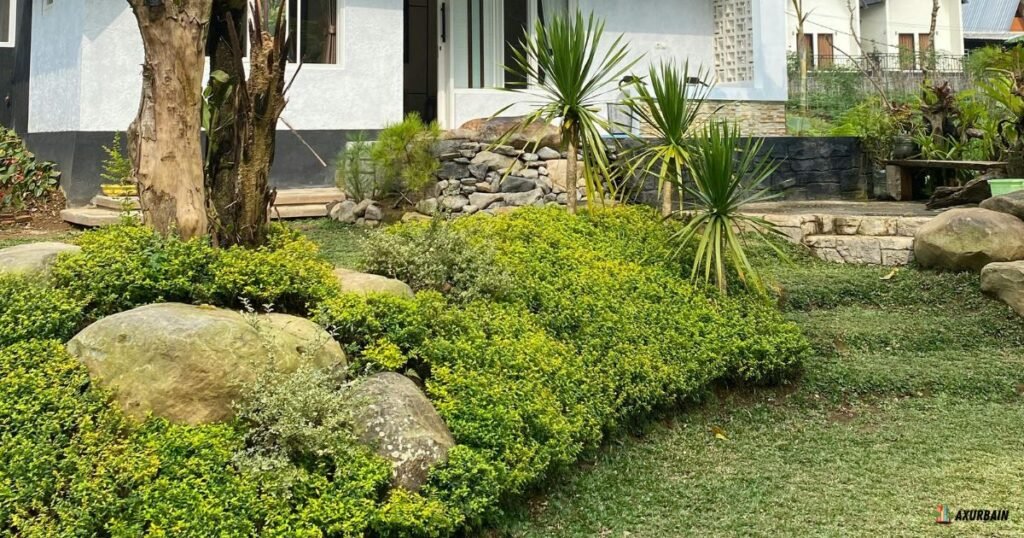
A rock garden features stones, gravel, and drought-tolerant plants to create a natural, low-maintenance landscape.
Why it works for Texas:
- Needs very little water, perfect for West Texas or Central Texas droughts.
- Reduces lawn mowing and soil erosion.
- Rocks help cool the soil and retain moisture for plants.
Best plants:
- Cacti, succulents, agave, yucca, and small perennials.
Tips for building:
- Place large rocks first, then fill spaces with smaller rocks.
- Arrange plants in clusters for a visually appealing display.
- Mulch or gravel around plants to reduce weeds.
Extra ideas:
- Add a small fountain or dry creek bed for a stylish look without the need for extra water.
- Combine with pathways or patios for a complete low-maintenance yard.
Stop here!
Are you still unfimiliar with different styles of home: Explore More
4. Concrete Patios / Pour Concrete / Create a Red-Brick Patio
Concrete and brick patios are durable, permanent outdoor spaces that require minimal upkeep.
Why it works for Texas:
- No mowing or watering required.
- Handles heavy sun and rainfall, especially in Gulf Coast areas.
- Lasts for decades with minimal care.
Tips for installation:
- Concrete: Can be stamped or textured for style.
- Brick: Adds warmth and charm; requires occasional sweeping.
- Ensure proper slope for drainage.
- Add potted plants or shade structures, such as pergolas, for added comfort.
Extra ideas:
- Use patios as a hub for seating, BBQs, or fire pits.
- Combine with gravel or rock gardens for an attractive, low-maintenance yard.
5. Pavers / Use Stone Pavers / Install Lookalike “Wood” Pavers
Pavers are individual stones or blocks used to create paths, patios, or borders.
Why it works for Texas:
- Very durable, withstands heat, drought, and occasional flooding.
- Easy to replace if damaged — no full patio redo needed.
- Minimal maintenance — just sweeping and occasional washing.
Tips for installation:
- Lay pavers on a sand or gravel base for drainage.
- Use “wood-look” pavers for a natural feel without rot problems.
- Edge with stones or metal strips to prevent shifting.
Best areas:
- Garden pathways, patios, driveways, and pool decks.
Extra ideas:
- Mix pavers with gravel or low-water plants for visual interest.
- Use different shapes or colors to create patterns.
6. Mulch Gardens / Lay Mulch in Your Yard
Mulch is a layer of wood chips, bark, or leaves spread over soil.
Why it works for Texas:
- Keeps soil moist and reduces watering needs.
- Suppresses weeds naturally.
- Protects plant roots from extreme heat.
Tips for use:
- Apply 2–4 inches of mulch around plants, keeping it away from stems or tree trunks.
- Refresh mulch once or twice a year.
- Use shredded bark, cedar, or hardwood for a long-lasting effect.
Extra ideas:
- Combine mulch with gravel paths or rock gardens for a layered look.
- Mulch can also improve soil health as it breaks down and decomposes.
Advantages and Disadvantages of urban areas are discussed here. Get more info
7. Native Plants / Go with Native Plants
This dedicated part 1 will give you full experience choosing better tough and native plants.
Native Texas plants are adapted to the local climate, so they need less water, care, and fertilizer.
Why it works for Texas:
- Survives heat, drought, and poor soil naturally.
- Reduces the need for chemical fertilizers or pesticides.
- Attracts pollinators like bees and butterflies.
Best native plants:
- Shrubs: Texas Sage, Yaupon Holly, Cenizo
- Grasses: Buffalo Grass, Blue Grama
- Flowers: Black-eyed Susan, Purple Coneflower, Lantana
Tips for planting:
- Group plants with similar water needs together.
- Use mulch or gravel around plants to reduce weeds.
- Combine with rock gardens or low-water lawns for full, low-maintenance landscape.
Common Mistakes to Avoid
Overwatering or Choosing Non-Native Plants
One of the biggest mistakes in a Texas yard is overwatering or planting species that aren’t native. Non-native plants often need more water and care to survive the hot Texas sun, and overwatering can harm them, especially in clay-heavy soil.
Using native and drought-tolerant plants is the easiest way to reduce maintenance. These plants are well-adapted to the climate, survive dry periods, and remain healthy with minimal effort.
Ignoring Soil Type
Texas has diverse soil types, varying by region, from clay in Central Texas to sandy soil along the Gulf Coast and rocky soil in West Texas. Planting without knowing your soil type can lead to poor growth or even plant failure.
Preparing the soil with compost or soil amendments before planting is essential. Understanding your soil ensures that plants can establish a strong root system, absorb essential nutrients, and grow robustly without requiring constant attention.
Planting Too Densely
Crowding plants together might look full and lush at first, but it can create problems later. Plants planted too close together require more frequent pruning and trimming, and they are more susceptible to disease or pest problems.
Leaving proper spacing allows each plant to grow naturally, improves air circulation, and reduces the amount of maintenance required over time.
Neglecting Shade or Sun Needs
Every plant has specific sunlight requirements. Some plants require full sun, while others thrive in partial shade, and still others prefer full shade. Placing a plant in the wrong light condition can stunt its growth, weaken it, or even kill it.
Observing your yard throughout the day and placing plants according to their sun or shade needs helps them thrive naturally, keeping your yard low-maintenance.
If you are interested in investing guides about real estate: Click here
Conclusion
Creating a low-maintenance Texas yard offers numerous benefits. It saves time, reduces water usage, lowers maintenance costs, and maintains its beauty year-round. By choosing native and drought-tolerant plants, incorporating smart hardscaping, and utilizing water-saving systems, your yard can be both sustainable and low-maintenance.
With the right plants and smart design, your Texas yard can stay beautiful all year without endless watering or mowing.
Start planning your low-maintenance Texas landscape today your weekends (and water bill) will thank you!