
Cities are getting hotter every year. In fact, urban areas can be up to 7°F warmer than the surrounding countryside because of all the concrete, roads, and buildings packed together. That heat makes people uncomfortable, raises electricity bills, and even causes health problems during summer.
The solution does not always require expensive technology. Sometimes all it takes is the right placement of trees, water, and green spaces to cool things down.
That is what micro-climate creation is all about and it is one of the most practical tools urban planners and city residents have today.
In this guide will walk you through what urban microclimates are, why they matter, and how cities around the world are using them to make city life more comfortable and sustainable.
What is a Micro-Climate?
A microclimate is a small outdoor area where the temperature, humidity, or airflow feels noticeably different from the area around it. These pockets of different weather conditions are natural and they can be designed on purpose.
According to the National Oceanic and Atmospheric Administration (NOAA), even a single row of trees can lower surrounding air temperature by 2 to 9°F through shade and moisture release. That kind of difference is significant when you are talking about a city block on a hot summer day.
You have likely experienced microclimates without knowing it:
- Stepping into a shaded park feels immediately cooler than the exposed street beside it
- A rooftop garden stays breezy while the parking lot one floor below bakes in the sun
- A public fountain makes the surrounding benches feel fresher even on a warm afternoon
These are not random. They happen because of how surfaces, plants, water, and airflow interact in a small space.
Explore More: What Development Helped Facilitate Urbanization?
Causes of urban microclimates
| Cause | Description / Effect | Urban Example |
| Urban Heat Islands | Concrete, asphalt, and buildings trap heat | Hot streets, crowded downtown areas |
| Vegetation & Green Cover | Trees and plants cool via shade & transpiration | Parks, rooftop gardens, tree-lined streets |
| Water Bodies | Evaporation from ponds, fountains, and lakes cool the air | City lakes, fountains in public squares |
| Building Design | Reflective surfaces or shading affect local temperatures | Glass towers vs shaded streets |
| Soil Type & Surface | Light or dry soils heat quickly; wet soils retain moisture | Bare plots, sandy urban soil |
| Topography | Slopes, hills, and elevation affect airflow and humidity | Hillsides, valley streets |
| Traffic & Human Activity | Vehicles and energy use produce localized heat and pollution | Busy roads, industrial zones |
Key Benefits of Micro-Climate Creation
Let’s look at some of the most important benefits micro-climates bring to urban living.
Cooler Temperatures
Urban heat is a real and growing problem backed by government data. According to the U.S. Environmental Protection Agency, daytime temperatures in urban areas run about 1 to 7°F higher than in surrounding outlying areas and nighttime temperatures stay about 2 to 5°F higher. This happens because buildings, roads, and other infrastructure absorb and re-emit the sun’s heat far more than natural landscapes like forests and water bodies do.
The EPA also confirms that on a hot sunny summer day the sun can heat dry exposed urban surfaces like roofs and pavement to temperatures 50 to 90°F hotter than the air while shaded or moist surfaces remain close to air temperature.
Making things worse, electricity demand for cooling increases 1.5 to 2.0% for every 1°F rise in air temperature meaning that 5 to 10% of community-wide electricity demand exists purely to compensate for the heat island effect.
Micro-climate design directly addresses all of this by bringing shade, moisture, and green cover back into urban spaces.
Here is how each element contributes:
- Trees and plants release water vapor through transpiration which acts as a natural cooling mechanism for surrounding air
- Green roofs and walls act as insulation layers that prevent buildings from absorbing and holding heat
- Water features like fountains and reflecting pools cool nearby air through evaporation reducing the felt temperature by 3 to 5°F within a 30-foot radius
This cooling effect doesn’t just make walking outside more comfortable—it also reduces the need for constant indoor air conditioning, which saves energy and lowers electricity bills. In short, microclimates provide relief from extreme heat, making city life healthier and more enjoyable.
Better Air Quality

Another significant advantage of micro-climates is the improvement of air quality. Cities are often full of dust, car emissions, and tiny particles that can harm our lungs. However, when plants are introduced into the urban environment, they act as natural air filters.
- Trees and shrubs trap dust and absorb harmful gases, including carbon dioxide, nitrogen oxides, and ozone.
- Green walls and rooftop gardens not only cool the air but also reduce the spread of pollutants by capturing them on leaves.
- While transpiration, plants release water vapor that keeps the air fresh and less dry, which makes breathing easier.
Cleaner air doesn’t just feel better, it directly improves health. It lowers the risk of asthma, allergies, and other respiratory problems. For crowded urban areas, where pollution is a daily challenge, creating micro-climates is one of the most natural and practical solutions.
Energy Savings
Micro-climates don’t just make outdoor spaces cooler they also help buildings use less energy. In many cities, glass and concrete buildings soak up the sun’s heat all day. By evening, they release this heat back into the air, keeping the surroundings warm and forcing people to rely heavily on air conditioners.
Now imagine adding green walls, rooftop gardens, or rows of trees around these buildings. These features act like natural shields:
- Trees block direct sunlight and create shade.
- Green roofs and walls insulate buildings, allowing less heat to enter inside.
- Water features nearby cool the surrounding air, reducing the need for artificial cooling.
The result? Buildings stay naturally cooler, people spend less money on electricity, and the city uses less energy overall. It’s a win-win for comfort, savings, and the environment.
Improved Mental Health
Modern city life can be stressful—traffic, noise, and crowded spaces all take a toll on people’s minds. Micro-climates help counter that by bringing small doses of nature back into daily routines. Even a short break in a green, shaded space can calm the mind and lower stress levels.
Green spaces and water features create what experts refer to as “restorative environments.” They:
- Reduce stress by lowering your anxiety levels.
- Boost focus—students and workers perform better when they have access to greenery.
- Encourage social interaction—parks, gardens, and shaded spots become gathering places where people connect.
This connection with nature makes urban living healthier, both mentally and emotionally.
In fact, numerous studies have demonstrated that individuals residing near green areas tend to report higher levels of happiness and life satisfaction.
Source: Sciencedirect
Biodiversity in Cities
Micro-climates also invite life back into the concrete jungle. Birds, bees, butterflies, and even small animals are drawn to places where trees, plants, and water are available. This biodiversity is more than just beautiful it’s essential.
- Bees and butterflies play a crucial role in pollination, which supports urban gardens and nearby agriculture.
- Birds control pests and add soundscapes that make cities feel more alive.
- Plants and wildlife together create healthier ecosystems that can balance urban environments.
Without microclimates, cities risk becoming lifeless and disconnected from the natural world. With them, even small urban spaces can turn into thriving habitats where humans and wildlife coexist.
Real-Life Example: Hawaii’s Big Island
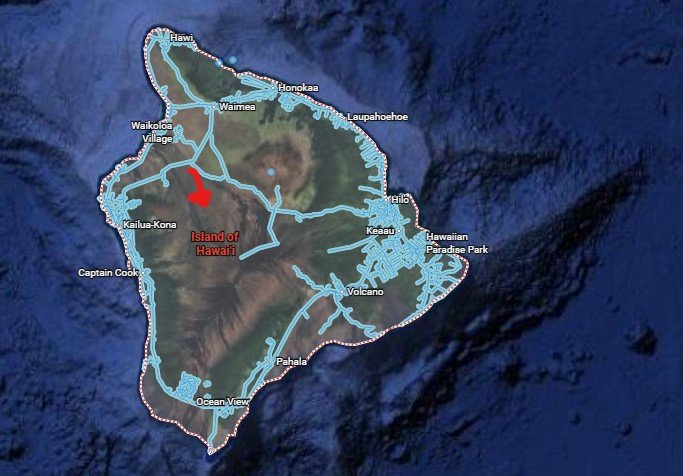
On Hawaii’s Big Island, you can experience completely different climates in just a few hours. Please start at the mountain peaks, where it’s cold and crisp, then drive down to dry, rocky deserts. Head east, and you’ll find yourself in a rain-soaked, waterfall-filled city, while going west brings you to a cool, pine-covered town. A short drive further leads to sunny beaches and black lava fields, and a little beyond, a lush jungle appears.
This mix of cold mountains, deserts, rainy cities, pine forests, beaches, and jungles demonstrates how microclimates can create diverse environments side by side, making urban planning and green spaces even more crucial in cities.
Axurbain mission is to explore urban living in the simplest way. Let’s now look at the future of micro-climates.
Real Cities Getting Micro-Climate Design Right
Singapore is one of the most referenced examples in urban micro-climate planning. The city mandates green coverage on new buildings and has planted over 7 million trees and plants across its urban landscape. Average temperatures in green corridors are measurably lower than in the city’s commercial core.
Vienna, Austria ranked as one of the world’s most livable cities for many consecutive years. The city has invested heavily in pocket parks, tree-lined streets, and water features that create comfortable outdoor zones even in summer.
Medellín, Colombia transformed some of the hottest urban corridors in the city by planting a 17-mile green corridor along busy roads. Surface temperatures in those areas dropped by up to 7°F and residents reported significantly increased use of outdoor spaces.
These cities show that micro-climate creation is not a niche idea. It is a mainstream urban planning strategy that any city can adopt at various scales.
Future of Urban Living with Micro-Climates
- Cooler Streets & Neighborhoods – Trees, green roofs, and shaded pathways reduce heat, making summer days more comfortable.
- Cleaner Air & Healthier Living – Plants filter pollutants, improving air quality and reducing respiratory problems.
- Smart Green Technology – Sensors can efficiently water gardens, monitor air quality, and help manage microclimates in real-time.
- Biodiversity in Cities – Micro-climates attract birds, bees, and small animals, creating mini-ecosystems in urban areas.
- Energy Savings – Buildings surrounded by greenery stay cooler naturally, lowering the need for air conditioning.
- Community Comfort & Well-being – Public parks, shaded streets, and rooftop gardens provide spaces for relaxation, exercise, and social life.
- Adaptive Urban Design – Planners can design streets and neighborhoods that respond to local climate conditions, balancing sun, wind, and rain for maximum comfort.
Conclusion
Micro-climate creation is one of the most cost-effective investments a city can make. It does not require massive infrastructure projects.
As cities continue to grow and temperatures continue to rise, the communities that invest in green design today will be the ones where people actually want to live tomorrow. Whether you are a city planner, a homeowner, or someone who just wants a cooler walk to work, micro-climate thinking is worth understanding and advocating for.
For more on how design shapes the way we live in cities, explore the Urban Living and Architecture sections on Axurbain.