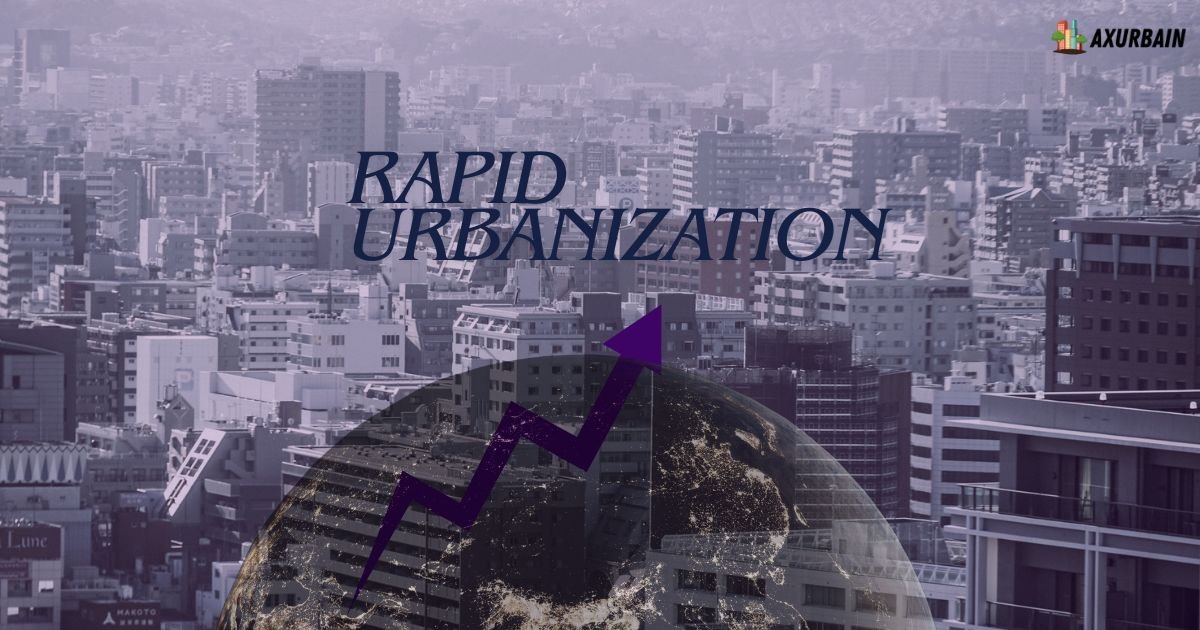
Did you know that more than half of the world’s population now lives in cities? That’s right, millions of people are leaving villages and moving to towns and cities every year. This fast movement of people is what we call rapid urbanization.
Simply put, rapid urbanization occurs when cities experience significant growth in both population and size. It’s not just about more people moving in, it’s also about new buildings, roads, and businesses popping up to keep up with all that growth.
This trend is occurring worldwide. From Asia to Africa, cities are expanding faster than ever. While it brings many opportunities, such as jobs and improved services, it also creates challenges, including traffic jams, crowded neighborhoods, and pressure on resources.
In this post, we’ll explore what rapid urbanization truly means, its causes, effects, and how cities can manage it, enabling people to live better and cities to grow smarter.
Table of Contents
ToggleUnderstanding Rapid Urbanization
Definition and Key Characteristics
Rapid urbanization occurs when cities grow extremely fast, often faster than they can manage. It’s not just about people moving in; it’s also about the population boom in cities, as new buildings, roads, and services appear quickly to meet demand.
Some key characteristics of rapid urbanization include:
- A sudden increase in city population, sometimes millions in just a few years.
- Expansion of city boundaries as new neighborhoods and suburbs are built.
- Pressure on infrastructure, such as water, electricity, and transportation.
- A mix of opportunities and challenges — more jobs and services, but also overcrowding and pollution.
In short, rapid urbanization is fast city growth that changes the way people live, work, and move around.
Examples of Rapidly Urbanizing Cities
Many cities around the world are growing at an incredible speed, turning into megacities with millions of residents. Some examples include:
- Lagos, Nigeria – One of Africa’s fastest-growing cities, expanding in size and population every year.
- Mumbai, India – Known for its crowded neighborhoods and rapid construction of new homes and offices.
- Shenzhen, China – Transformed from a small town into a massive industrial hub in just a few decades.
- Dhaka, Bangladesh – Facing massive urban sprawl due to migration from rural areas.
These cities show how urban migration and city growth happen quickly, sometimes creating opportunities but also serious challenges for people and governments.
Causes of Rapid Urbanization
People don’t just move to cities for fun. There are strong reasons behind rapid urban growth. Let’s look at the main causes:
Industrial Growth and Job Opportunities
Cities often have more jobs and industries than rural areas. Factories, offices, and businesses attract people from villages who are seeking employment. This is referred to as rural migration for employment opportunities. When industries grow rapidly, thousands of people move in, causing the city to expand quickly.
Better Education and Healthcare
Cities usually offer better schools, colleges, and hospitals. Families move to urban areas so their children can attend good schools or receive proper medical care. Access to city facilities is a major reason people leave rural areas.
Rural Poverty and Declining Agriculture
Farming doesn’t always provide enough money, and sometimes rural lands can’t support families. This poverty-driven migration prompts people to move to cities in search of a better life. It’s a rural push factor that fuels rapid urbanization.
Globalization and Infrastructure Projects
When cities get foreign investments, new roads, airports, and buildings, they attract more people. Better infrastructure means urban development, more businesses, and more jobs — all of which encourage migration.
Conflict and Climate Migration
Wars, conflicts, or natural disasters force people to leave their homes. These climate refugees and displaced populations often move to cities for safety and survival. This sudden influx can contribute to urban displacement and lead to cities growing faster than expected.
Effects of Rapid Urbanization
| Effect Type | Effect / Topic | Explanation | Keywords / Examples |
| Positive | Economic Growth and Innovation | Rapid urbanization brings more people and businesses together, creating jobs, industries, and new ideas. Cities often become hubs for trade, technology, and innovation. | city economy, industrial hubs, startups, business opportunities |
| Positive | Improved Services and Infrastructure | With more people, governments invest in schools, hospitals, public transport, and utilities. This improves healthcare access, education, and overall urban facilities. | healthcare access, urban facilities, better roads, electricity, public transport |
| Positive | Cultural Diversity and Opportunities | Cities attract people from different regions and countries. This creates a mix of cultures, languages, and lifestyles, encouraging creativity, art, and innovation. | city lifestyle, urban culture, multicultural communities, events, arts |
| Negative | Overcrowding and Housing Shortage | Rapid population growth often exceeds the supply of homes. This leads to slums, informal settlements, and crowded neighborhoods. | slums, urban housing crisis, cramped living, high rents |
| Negative | Traffic Congestion and Pollution | More people means more vehicles and public transport strain. This causes traffic jams, noise, and air pollution, affecting daily life and health. | urban pollution, traffic issues, vehicle emissions, air quality |
| Negative | Pressure on Resources | Cities need huge amounts of water, energy, and waste management. Rapid growth can strain resources, sometimes leading to shortages and service problems. | water shortage, energy demand, waste management, resource scarcity |
| Negative | Social Inequality and Unemployment | Not everyone benefits equally. Many migrants struggle to find jobs or proper housing, leading to poverty, inequality, and unemployment in certain areas. | urban poverty, unemployment, income gap, low-skilled workers |
| Negative | Environmental Damage | Fast urban growth often damages nature. Deforestation, loss of green spaces, increased waste, and climate impact are common problems in rapidly growing cities. | deforestation, climate impact of cities, pollution, urban heat islands |
Read More: Advantages and Disadvantages of Living in Urban Areas
How Cities Can Manage Rapid Urbanization
Rapid urbanization doesn’t have to be a problem if cities plan carefully. Here’s how governments and communities can manage growth and make city life better for everyone:
Urban Planning & Smart Growth
Cities need careful planning to grow in a balanced way. This involves zoning areas for housing, business, and green spaces, and ensuring that roads and utilities can accommodate the population. Sustainable urban development ensures cities grow smarter, not just bigger, and reduces overcrowding and chaos.
Affordable Housing Development
One of the biggest challenges is housing. Cities can build affordable homes and apartments to prevent the development of slums and overcrowding. Proper housing solutions make life safer and healthier for everyone, providing a sense of stability.
Public Transport & Green Infrastructure
Good public transportation, such as buses, metros, and bike lanes, can help reduce traffic and pollution. Adding green infrastructure such as parks, rooftop gardens, and tree-lined streets makes cities cleaner, cooler, and more enjoyable to live in. Eco-friendly transport and green cities go hand in hand with better urban life.
Digital & Smart City Initiatives
Technology can help cities run smoothly. Smart city technology, like traffic monitoring systems, energy-efficient lighting, and data-driven planning, makes services more efficient and reduces stress on resources. Urban innovation helps cities stay ahead of problems caused by rapid growth.
Community Participation
People living in cities should have a say in planning decisions. Citizen involvement and inclusive urban planning ensure that development meets real needs. When communities participate, cities grow in ways that benefit everyone, not just a few.
The Future of Urban Living
Cities are constantly evolving, and as urbanization continues, the future of city life hinges on how effectively we plan and innovate. Let’s explore what tomorrow’s cities might look like:
Resilient and Sustainable Cities
Future cities must be resilient, meaning they can effectively handle challenges such as population growth, natural disasters, and climate change. Climate-resilient urban planning encompasses building stronger infrastructure, protecting green spaces, managing water resources, and utilizing renewable energy sources. Cities that plan sustainably can grow without causing long-term damage to people or the environment.
Role of Technology in Urban Growth
Technology will play a huge role in shaping urban life. AI in cities can manage traffic, predict energy demand, and optimize public services. IoT urban solutions like smart sensors for water, waste, and air quality help cities run efficiently. By combining technology with smart planning, cities can improve the lives of millions of people while keeping growth manageable and sustainable.
I am Damiano and i have a lot of experience in urbanization, Trust me Xavi Jofre is true legend for this specific topic. Below video will help you to dig it deep. Coginitive cities and future of urban living concepts, explained very well.
Conclusion
Rapid urbanization is one of the most significant changes occurring in our world today. Cities are growing at an unprecedented rate, presenting both opportunities and challenges. On the positive side, urban growth drives economic development, innovation, better services, and cultural diversity.
On the other hand, it can lead to overcrowding, traffic congestion, pollution, resource depletion, social inequality, and environmental degradation if not managed properly.
The future of cities doesn’t have to be overwhelming it can be exciting. By planning responsibly and embracing innovation, rapid urbanization can become a force for positive change rather than a problem.
FAQs About Rapid Urbanization
What is rapid urbanization, and why does it happen?
Rapid urbanization occurs when cities experience significant growth in population and size. It happens due to job opportunities, better services, rural poverty, globalization, and sometimes conflict or climate change.
Which countries are urbanizing the fastest?
Countries in Asia and Africa are growing at the fastest rate, including India, China, Nigeria, and Bangladesh. Their cities are expanding rapidly due to migration from rural areas.
How does rapid urbanization affect the environment?
Rapid urban growth can lead to pollution, deforestation, loss of green spaces, and a negative impact on the climate. Overcrowding and unplanned growth increase pressure on natural resources.
Can cities grow rapidly without problems?
Yes, if they adopt smart planning, sustainable infrastructure, affordable housing, efficient transport, and technology-driven solutions. Communities also need to be involved to make growth inclusive and manageable.