The Architecture Merit Badge teaches Scouts how buildings and spaces are designed and why they matter in daily life. Requirement 1a focuses on observing different buildings in their community to understand how architecture shapes the way people live, learn, and move.
This requirement is important because it builds early awareness and helps Scouts think like designers. By studying everyday architecture, they learn to notice details, understand safety and function, and see how design affects comfort and behavior.
In this article, readers will learn what Requirement 1a includes, why it matters, and how to complete it with confidence. Before we dive into its details let me intriduce myself, I am Damiano Cerrone your go to expert for this topic. I have worked 10+ in real estate and urban living.
What Is Architecture Merit Badge Requirement 1a?
Requirement 1a asks Scouts to walk around their community and observe different types of buildings. The goal is to help them notice how homes, schools, stores, and other structures are designed and used. This requirement teaches Scouts to look closely at the built environment and understand why buildings are made a certain way.
The purpose of Requirement 1a is to build early awareness of architecture and encourage careful observation. It also prepares Scouts for the rest of the badge, where they learn more about styles, history, materials, and how architects plan and design spaces.
Why Scouts Learn About Architecture in Requirement 1a?
Requirement 1a encourages Scouts to observe everyday buildings around them, from homes to schools and shops. By paying attention to these structures, Scouts develop an awareness of the built environment and learn how design shapes daily life.
This activity sparks curiosity, prompting questions about why buildings are designed a certain way and how spaces affect people. It also strengthens analytical thinking, as Scouts compare different architecture merit badge building types and notice patterns, styles, and functions.
Overall, this requirement lays the foundation for understanding architecture and inspires creative, thoughtful observation of the world around them.
The Answer for Requirement Number 2
(a) Sustainable Architecture & Green Building Features
Sustainable architecture focuses on designing buildings that are eco-friendly and energy-efficient. Green buildings often use renewable energy sources like solar panels, efficient insulation, and water-saving systems to reduce environmental impact.
(b) Renewable vs Recycled Building Materials
Renewable materials, like bamboo or cork, come from sources that can quickly grow back. Recycled materials, such as reclaimed wood or metal, are reused from old buildings. Both reduce waste and conserve resources.
(c) Relationship of Architecture with Environment and Community
Good architecture respects its surroundings and community. Buildings should fit the climate, terrain, and culture while meeting people’s needs. Thoughtful design improves quality of life and fosters community pride.
(d) Building Reuse
Instead of demolishing old buildings, adaptive reuse transforms them for new purposes. Examples include turning factories into apartments or historic schools into community centers, saving materials and preserving history.
How Architecture Influences Daily Life
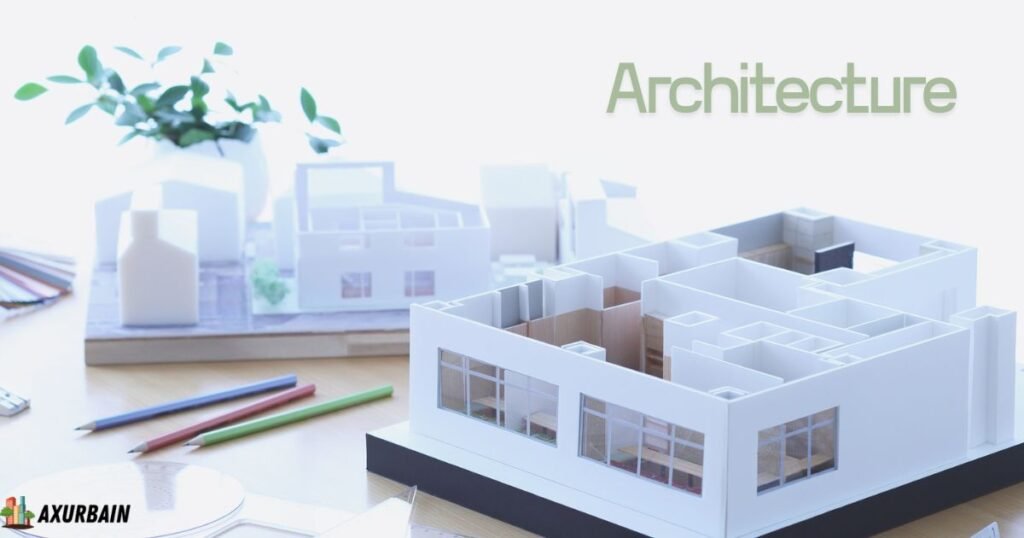
Architecture Shapes the Spaces You Use
Architecture decides how homes, schools, public buildings, and recreational spaces are designed. It affects how comfortable, safe, and functional these spaces feel.
At that point, I wanna know are you familiar with different home styles. Explore: Different Home Styles Explained: Victorian, Federal, Georgian & Edwardian Architecture
Architecture Affects Comfort and Well-Being
Design choices like lighting, ventilation, room layout, and temperature control make spaces healthy and pleasant for daily life.
Architecture Supports Daily Routines
Well-designed buildings guide movement, improve functionality, and include accessibility features to help everyone use spaces efficiently.
Architecture Expresses Culture and Identity
Buildings reflect regional design, cultural symbols, and local history, showing a community’s unique identity.
Architecture Shapes Communities
Urban planning, public spaces, streets, and neighborhoods are all influenced by architecture, shaping how communities interact and grow.
Read More: How Italian Architecture Differs From American Architecture
Real-Life Examples to Use for Requirement 1a
Home
Look at living spaces to see how rooms are organized for comfort. Notice how natural light enters and how privacy is maintained.
School
Observe classroom layouts, safe pathways for students, and accessibility features that make learning spaces functional for everyone.
Stores & Public Places
Pay attention to how areas are organized for shopping or public use, clear signs for navigation (wayfinding), and efficient design that makes moving through spaces easy.
How to Write a Strong Answer for Requirement 1a
- What to Include: Describe the buildings you observed, their types, features, and what you liked or found interesting. Mention sketches or photos if required.
- How Personal the Explanation Should Be: Share your own thoughts and feelings about the buildings. Explain why a certain design caught your attention.
- Length Recommendation: Keep it clear and concise—enough to fully explain your observations without being too long.
- Scout-Friendly Tips: Use simple words, be honest, include examples from your community, and organize your answer clearly for easy reading.
Sample Answer for Architecture Merit Badge 1a
- Purpose: Provides Scouts with a clear example of how to write their own answer.
- Content of the Example: Includes observations of different building types, descriptions of features, and personal reflections.
- Style: Written in a friendly, simple, and clear way suitable for Scouts.
- Structure: Starts with an introduction of the area toured, mentions key buildings and their purpose, includes personal thoughts on design, and finishes with a reflection on what was learned about architecture in daily life.
Key Concepts Scouts Should Know
- Built Environment: Understanding the physical spaces and structures around them.
- Space Planning: How rooms, buildings, and areas are organized for usability and flow.
- Aesthetics vs. Function: Balancing beauty and practical use in design.
- Cultural Architecture: Recognizing how local culture, traditions, and history influence building styles.
- Safety Design: Features that protect people, like emergency exits, railings, and safe layouts.
- Sustainable Concepts: Green building practices, renewable materials, and environmentally friendly design.
Common Mistakes to Avoid When Answering 1a
- Vague Statements: Avoid general or unclear descriptions that don’t show observation.
- No Real Examples: Always include specific buildings or spaces you observed.
- Overly Short Description: A brief answer won’t show understanding; give enough detail.
- Ignoring Daily-Life Impact: Explain how the building affects people’s activities, comfort, or routines.
Conclusion
Requirement 1a of the Architecture Merit Badge is an important starting point for Scouts because it encourages them to observe and understand the buildings and spaces they encounter every day.
By completing this task, Scouts develop critical skills that prepare them for the rest of the merit badge, such as analyzing architectural design, learning about sustainable architecture, and creating accurate building sketches.
Understanding everyday architecture helps Scouts see how design affects comfort, safety, functionality, and community life. Requirement 1a asks Scouts to explore their surroundings, identify building types, and sketch structures they admire, helping them think like designers. Through this process, Scouts learn why architecture matters in homes, schools, public spaces, and recreational areas.
Real-life examples, such as observing natural light in homes, safety pathways in schools, and organization in stores, show how thoughtful design impacts daily routines and community life, making this requirement both practical and educational.
FAQs About Architecture Merit Badge 1a
What does 1a require?
Requirement 1a asks Scouts to explore their community, observe different building types, identify architectural styles, and make a sketch of a building they admire. It’s about noticing how design affects daily life.
Do I need examples?
Yes, giving real examples from homes, schools, stores, or public buildings makes your answer stronger and shows that you understand the built environment.
How detailed should I be?
Provide clear observations, describe features like layout, materials, or light, but keep it simple and readable.
Does it count if I talk about my own home?
Absolutely! Your home is a valid example as long as you explain its design and features.