
The term “James Woodworking” appears across different websites and local workshops. It does not usually refer to one single company. In most cases, it represents independent woodworking businesses or craftsmen named James who focus on hands-on, custom woodwork.
Rather than being a brand, it is better understood as a style of work. These woodworkers usually value real craftsmanship, practical design, and projects built to last. The focus is on quality and process, not marketing or mass production.
This article explains what sits behind James Woodworking-style businesses. It looks at the craft, the step-by-step process, and the real woodworking projects they create. The goal is to help you understand what makes this kind of woodworking different and why it still matters today.
By the way I am Damiano your Guide expert. To start, let’s look at the craft itself and what defines good woodworking.
Understanding the Craft Behind James Woodworking
Woodworking craftsmanship is not about fancy tools or complex designs. In practice, it is about skill, patience, and working carefully with your hands. Every cut, joint, and surface requires attention. Rushing the process often shows in the final result.
At the core of James Woodworking-style work is time spent understanding the material. Real wood behaves differently from factory-made boards. It moves, reacts to the environment, and carries natural variations. Working with it means respecting these qualities instead of forcing it into a perfect shape.
This is why real wood matters. Mass-produced materials are designed for speed and uniformity. Handcrafted woodworking focuses on strength, feel, and long-term use. Each piece is built to handle daily life, not just look good when new.
Read More: Top 20 Home Decor Ideas: Make Any Space Feel More Comfortable
Materials Used in James Woodworking Projects
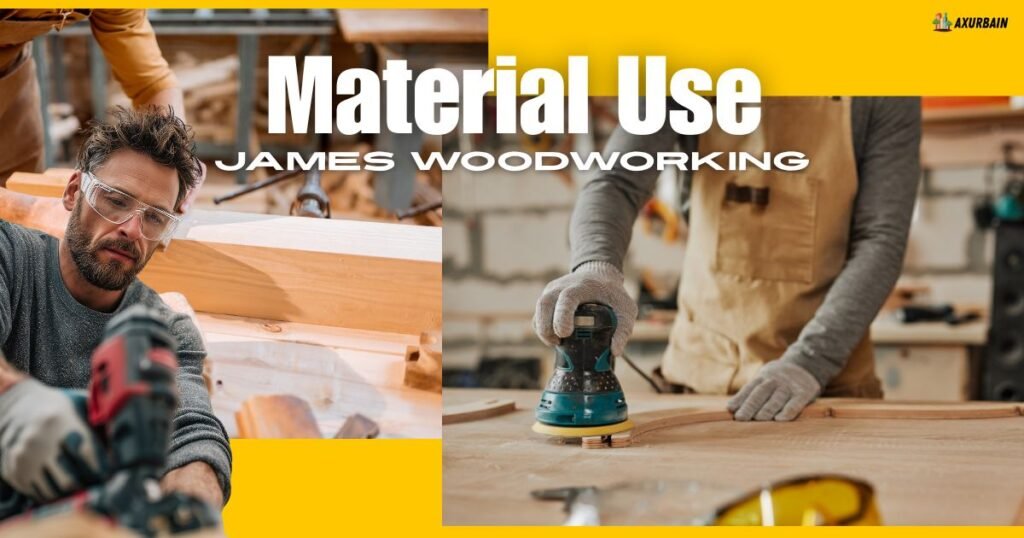
The quality of a woodworking project depends heavily on the materials used. In James Woodworking-style projects, material choices are usually simple and intentional. The goal is not to use many materials, but to use the right ones for long-term use.
Choosing the Right Wood
Wood selection is one of the most important steps in any woodworking project. Different types of wood behave differently, and each has its own strengths.
Common hardwoods often used include:
- Oak, known for strength and durability
- Walnut, valued for its deep color and smooth grain
- Maple, appreciated for its clean look and hardness
- Cherry, which darkens beautifully over time
Many woodworkers prefer local or responsibly sourced wood. Local wood is often better suited to the climate and supports sustainable practices. It also reduces waste and keeps the material connection closer to the workshop.
The type of wood chosen affects both durability and appearance. Some woods handle heavy daily use better, while others are chosen for their natural color and grain. A good wood choice balances strength with how the piece will look and feel over time.
Other Materials and Finishes
Beyond the wood itself, finishes play an important role in protecting and preserving the piece.
- Natural finishes and protective coatings are commonly used to highlight the wood’s natural character while protecting it from wear.
- Finish choice matters for daily use, especially for items like tables or cabinets that are touched often.
- Simple finishes are preferred because they are easier to maintain and repair if needed.
Keeping materials simple helps ensure that the final piece stays functional, durable, and easy to live with. Long-lasting materials always matter more than decorative extras.
The Growing industry of real esatate show us the great hope for investment. Beside the design and decor home investment is always on top. Get more info about Pedrovazpaulo Real Estate Investment.
The James Woodworking Process: Step by Step
Woodworking projects built under the James Woodworking approach usually follow a thoughtful and steady process. Each step matters, and skipping details often leads to problems later. This process is not rushed. It is shaped by experience and careful decision-making from start to finish.
From Idea to Design
Most woodworking projects begin with a simple conversation or a rough sketch. This early stage is about understanding what the piece is meant to do. Whether it is a table, cabinet, or storage unit, the purpose always comes first.
Understanding the client’s needs or how the piece will be used helps guide every design choice. Size, placement, and daily use are all considered early on. A well-designed piece should fit naturally into its space.
At this stage, function and appearance are balanced carefully. The piece needs to work well, but it should also feel right visually. Simple designs often work best because they age better and are easier to live with.
Building and Assembly
Once the design is clear, the building process begins. This includes measuring, cutting, shaping, and joining the wood. Accuracy is essential here. Small mistakes at this stage can affect the strength and fit of the final piece.
Careful assembly is what gives woodworking its durability. Strong joints and well-aligned parts help ensure the piece holds up under daily use. This is especially important for furniture and storage that carry weight or get frequent use.
During construction, attention to small details makes a noticeable difference. Clean edges, proper alignment, and consistent spacing all contribute to the quality of the finished project. These details may not stand out at first glance, but they affect how the piece feels and functions.
Sanding, Finishing, and Final Checks
After assembly, sanding smooths the surfaces and prepares the wood for finishing. A smooth finish improves both comfort and appearance. Rough spots are removed so the piece feels good to touch.
Finishes are applied to protect the wood and enhance its natural look. The right finish helps guard against wear while allowing the grain to show through naturally.
Before delivery or use, a final inspection checks stability, surface quality, and overall function. This last step ensures the piece is ready for everyday life.
I hope so you are familiar with home types, if not you can get all info by click here.
Real Woodworking Projects Commonly Associated with James Woodworking
James Woodworking-style businesses are often known for creating pieces that are meant to be used every day. These projects are not built for display only. They are designed to handle real life, which is why function and durability are always a priority.
Custom Furniture
Custom furniture is one of the most common project types. This includes tables, benches, desks, and seating made to fit specific spaces and needs.
Unlike mass-produced furniture, custom pieces are built with long-term use in mind. Measurements are taken carefully so the furniture fits the room properly. Height, width, and proportions are adjusted to suit how people actually use the piece.
Durability is a key focus. Strong joints, solid materials, and careful assembly help ensure the furniture holds up over time. Custom furniture also allows for better comfort, whether it is a dining table used daily or a desk designed for long work hours.
Because each piece is made for a specific space, it often fits better and feels more natural than factory-made furniture.
Cabinets and Built-Ins
Cabinets and built-ins are another major part of James Woodworking projects. These include kitchen cabinets, shelving, and storage units designed to match the space exactly.
Custom-built storage offers clear benefits. It makes better use of available space and avoids awkward gaps or wasted corners. Shelves and cabinets can be sized to hold exactly what is needed, from kitchen items to books or office supplies.
Built-ins also help create a cleaner and more organized look. Because they are designed as part of the space, they feel more permanent and stable than freestanding furniture. Over time, this improves both function and appearance.
Closets and Storage Solutions
Custom closets and storage solutions focus on organization and ease of use. Walk-in closets and tailored storage systems help keep daily routines simple and efficient.
Practical design is key here. Storage is arranged to match how items are used, making it easier to keep things tidy. Shelves, drawers, and hanging space are planned with daily habits in mind.
Custom storage also offers long-term value. Well-built systems last longer and adapt better as needs change. They reduce clutter and help homes feel calmer and more manageable.
Small Handmade Wood Items
Smaller handmade items are often where craftsmanship becomes most visible. Cutting boards, boxes, trays, and shelves may look simple, but they require precision and care.
These items highlight clean cuts, smooth finishes, and strong construction. Because they are handled often, quality becomes easy to notice.
Small wood items are popular for both personal use and gifts. They are practical, meaningful, and easy to appreciate. Even simple pieces can show the value of careful, hands-on woodworking.
Read More: Are Volglaswanden Worth It? Pros, Cons, and Use Cases
What Makes James Woodworking Different from Factory-Made Furniture
James Woodworking-style pieces differ from factory-made furniture mainly in materials and build quality. Custom work uses solid wood and careful construction, while factory furniture often relies on faster methods and lower-grade materials.
Because handmade pieces are built with attention and patience, they tend to last much longer. Joints are stronger, and the structure is made to handle daily use over many years.
Another key advantage is repairability. Custom wood furniture can usually be repaired or refinished instead of replaced. This makes it a better long-term investment.
There is also a personal side. Custom-made pieces are built for specific spaces and needs, which gives them meaning beyond simple function. Over time, they become part of everyday life rather than something easily replaced.
This mix of durability, flexibility, and personal value is what truly sets James Woodworking apart.
Where James Woodworking Fits Today
James Woodworking fits naturally into modern homes, offices, and small spaces where quality and function matter. Custom wood pieces are designed to fit specific layouts, which makes them especially useful in compact or multi-use areas.
Woodworking blends well with contemporary design because it adds warmth without overpowering the space. Simple wood finishes work alongside modern materials and clean layouts.
In urban environments, custom wood pieces help make better use of limited space. Built-ins, storage, and well-sized furniture reduce clutter and improve daily comfort. This is why handcrafted woodworking continues to be a practical choice in modern living.
How to Choose the Right James Woodworking Service or Craftsman
Choosing the right woodworking service starts with looking at quality, not just photos. Pay attention to clean finishes, solid joints, and pieces that look built for real use.
Previous projects matter. A clear portfolio and honest examples of past work show what a craftsman can actually deliver. Transparency about materials, process, and pricing is a good sign of reliability.
Before starting a project, ask simple but important questions. Ask how the piece will be built, what materials will be used, and how it will be maintained over time.
It is also important to understand timelines and expectations. Custom woodworking takes time, and good work is rarely rushed. Clear communication from the start helps avoid confusion and leads to better results.
Common Questions People Have About James Woodworking
Is custom woodworking worth the cost?
Custom woodworking usually costs more than factory-made furniture, but it offers better long-term value. Pieces are built with solid materials and careful construction, which means they last longer and can often be repaired instead of replaced. Over time, this makes custom woodworking a more practical investment.
How long do woodworking projects usually take?
Timelines depend on the size and complexity of the project. Small items may take a few weeks, while larger furniture or built-ins can take longer. Custom work is not rushed because accuracy and quality matter. A clear timeline should always be discussed before starting.
How should wooden furniture be maintained?
Wooden furniture is easy to maintain with simple care. Regular dusting, avoiding excess moisture, and using gentle cleaners help keep surfaces in good condition. Occasionally refreshing the finish can also extend the life of the piece.
Can custom woodworking fit small spaces?
Yes, custom woodworking works especially well in small spaces. Because pieces are made to exact measurements, they help use space efficiently. Built-ins, storage units, and custom furniture can reduce clutter and improve comfort in compact homes.
Conclusion: Why Real Woodworking Still Matters
Real woodworking continues to matter because it is built on craftsmanship, patience, and quality. Unlike mass-produced furniture, handmade wood pieces are designed to last and to be used every day.
Well-made woodworking offers long-term value. Solid materials, careful construction, and the ability to repair or refinish pieces mean they do not need to be replaced often. Over time, they become more useful, not less.
Appreciating real woodworking is about noticing the small details. Smooth edges, strong joints, and thoughtful design all reflect time and care. These details are what make a piece feel right in daily life.
Choosing real woodworking is a practical decision. It supports quality, reduces waste, and brings lasting comfort into homes and workspaces.
Disclaimer
This article is provided for informational purposes only. The term “James Woodworking” is used as a general reference to independent woodworking craftsmen or businesses and does not represent a single company, brand, or individual unless stated otherwise. Project details, timelines, materials, and practices may vary depending on the specific woodworker or service provider.
For additional information and woodworking-related resources, readers may also refer to https://www.jameswoodworking.net/. Readers are encouraged to conduct their own research and communicate directly with woodworking professionals before making decisions related to custom projects or services.